February 4, 2026

Nonprofit leaders are expected to manage so much, but one responsibility that should never be overlooked is managing conflicts of interest. A strong Conflict of Interest Policy protects your organization, your board, and the public trust.


Why Conflict of Interest Policies Matter

In a nonprofit organization, a conflict of interest arises when someone involved with the organization has a personal interest that could interfere — or appear to interfere — with the organization’s best interests.

While these situations may seem routine, failing to address them appropriately can:

  • Undermine public confidence

  • Damage your organization’s reputation

  • Expose your nonprofit to legal and governance risk

A clear policy helps prevent problems before they arise.


What Is a Conflict of Interest?

A conflict of interest generally occurs when an individual:

  • Stands to benefit personally from a decision made by the nonprofit, or

  • Has a relationship with a person or business that could influence the organization’s actions

For example, a board member with a financial interest in a vendor being considered by the nonprofit must disclose that relationship and step back from the decision-making process.


What a Strong Policy Should Do

A well-drafted Conflict of Interest Policy brings clarity and consistency to how your nonprofit operates. At a minimum, it should:

  • Clearly define what constitutes a conflict of interest

  • Explain how and when conflicts must be disclosed

  • Outline how disclosed conflicts are reviewed

  • Describe how conflicts are managed or resolved

  • Require documentation of decisions and actions taken

This structure supports ethical decision-making and demonstrates accountability.


IRS Guidance and Best Practices

Although the IRS does not require nonprofits to have a Conflict of Interest Policy to maintain tax-exempt status, it does ask on IRS Form 990 whether your organization has adopted one.

That question alone signals that the IRS views conflict policies as a governance best practice — and donors, regulators, and the public often do as well.


Key Elements to Include

To be effective, your policy should address:

  • When disclosures must be made (such as before votes or contracts)

  • Who reviews potential conflicts

  • Whether recusal from discussion or voting is required

  • How decisions are documented and retained

Consistency and transparency are essential — even when no actual conflict exists.

Conflict of Interest Policies only work when they are used.

Adopting a policy is the first step. Boards should revisit disclosures regularly, document decisions carefully, and treat conflicts as a normal governance issue. Its not meant to be treated like a personal failing.


Final Takeaway

A Conflict of Interest Policy is a practical tool for protecting your mission, your leadership, and your credibility.

By adopting and enforcing a thoughtful policy, your nonprofit signals its commitment to integrity, accountability, and responsible governance.


Need Help Drafting or Updating Your Policies?

The Gordon Fischer Law Firm works with nonprofits to draft, revise, and tailor the ten governance policies referenced on IRS Form 990 — including Conflict of Interest Policies — to fit your organization’s mission and operations.

📧 Email: gordon@gordonfischerlawfirm.com

January 19, 2026

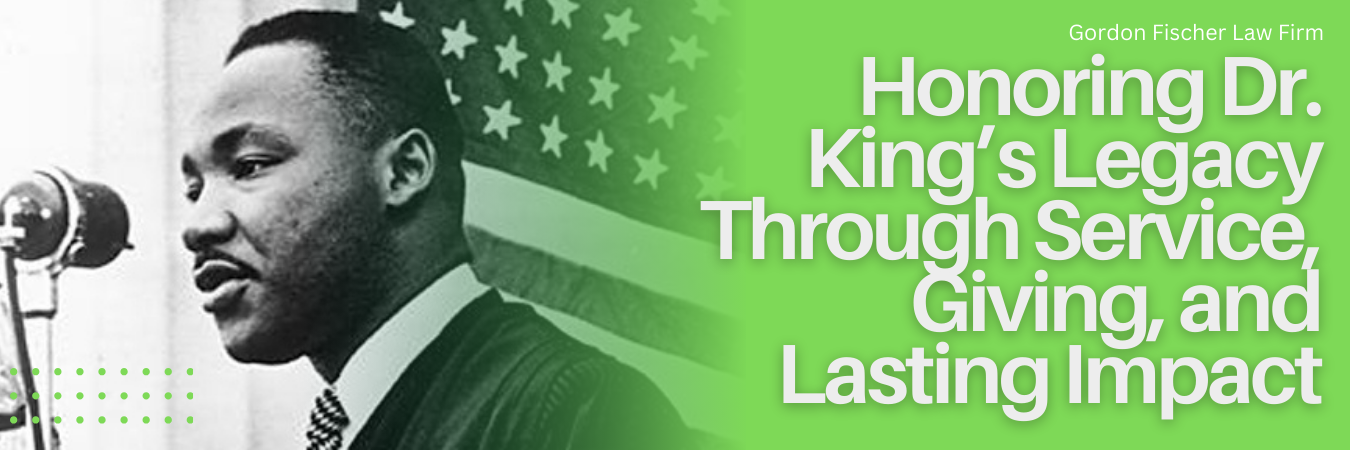
I believe it’s important to pay tribute to a man who profoundly championed equity, freedom, peace, and justice. Dr. Martin Luther King, Jr. was not only a visionary leader, but also a tireless advocate for nonviolent action and peaceful solutions to deeply rooted human rights issues. His productivity alone is staggering—he reportedly wrote five books and delivered hundreds of speeches in a single year, more than most of us will produce in a lifetime.

Dr. King’s leadership was instrumental in shaping the modern civil rights movement and influencing the passage of the Civil Rights Act of 1964. That same year, he was awarded one of the world’s highest honors, the Nobel Peace Prize, for his “dynamic leadership of the Civil Rights movement and steadfast commitment to achieving racial justice through nonviolent action.” In a powerful reflection of his values, Dr. King donated the entire prize—$54,123—to support the civil rights movement.

While we often remember Dr. King primarily for his work advancing racial justice, his vision for a better America was far broader. He spoke passionately about poverty, health care, economic justice, and women’s rights, always grounding his advocacy in a belief that real change required both moral courage and collective action. His public career lasted just twelve years—from the Montgomery bus boycott in 1956 to the sanitation workers’ strike in Memphis, where he was assassinated in 1968 at the age of 39. And now, his impact continues to shape our nation.

I see Dr. King’s dream of a more just and compassionate world reflected every day in the work of Iowa’s nonprofit organizations. I also see it in the generosity of the donors who support them—people who believe in advancing missions that strengthen communities and expand opportunity. Many Iowans even choose to extend that support beyond their lifetimes by including charitable legacies in their estate plans.

Dr. King’s example resonates because most of us share his desire to make our own corners of the world better places to live, learn, and grow. Perhaps his insistence on “practicing what you preach” has inspired you to give more generously or more intentionally. Maybe his question—“What’s your life’s blueprint?”—has prompted you to consider starting a nonprofit or formalizing the causes you care about most. However his words have moved you, the important thing is turning inspiration into action.

Martin Luther King Jr. Day may offer a day away from work, but its deeper purpose is reflection and service. Honoring Dr. King means committing ourselves to the advancement of our communities. Hold on to this sentiment by volunteering with an organization that speaks to your heart, supporting causes through charitable giving tools like donor-advised funds, or simply identifying the nonprofits you’d like to include as beneficiaries in your will.

Leaving a legacy is one of the most meaningful things we can do. It allows our values, convictions, and influence to live on through the people and organizations we care about. While our lives may not leave a mark on history like Dr. King’s, our individual legacies are no less significant to our families, our communities, and the missions we support.

So I’ll ask the same question Dr. King posed to so many: What will your legacy be?

If you’d like to explore charitable giving or legacy planning, don’t hesitate to contact me for a free consultation. As Dr. King reminded us, “The time is always right to do what is right.”

To revisit Dr. King’s “I Have a Dream” speech, watch the video below:

father's day

To all the dads out there, happy Father’s Day! We all have our own unique relationships and therefore unique lists with an endless number of things we can and should thank our dads for. But the one thing we all have in common is there are not enough words and never the perfect gifts that fully encompass how thankful we are for all they’ve given us. A dapper tie, classic “#1 dad” t-shirt, a new tool for the toolbox, the hippest craft beers, these are all great. These gifts are kind, but they pale in comparison to all the tangible and intangible things your *pops* has given you over the years.

That’s why I propose this year you give your father a gift that’s unconventional, yet incredibly valuable…an estate plan! Why is this one of the greatest gifts for a loved one?

  • An estate plan leads to peace of mind. Your dad can feel good knowing if the unexpected happens, then the legal “stuff” surrounding your life is accounted for.
  • Estate planning means that you (the testator) get to make the decisions about who you want to have what stuff and when.
  • Estate planning isn’t just about death. Documents like financial and health care powers of attorney play an important role if (gosh forbid!) your father were to be incapacitated by an accident or illness. Everyone wants the ability to choose the people they want to make important decisions regarding their money and health instead of a court-appointed guardian or conservator.
  • Estate planning saves your family (including dads for sure!) time and money in attorney’s fees and court costs in the probate process.
  • By encouraging your father to execute an estate plan, you are recognizing that you want his wishes to be heard on important matters like disposition of final remains and a living will. (It makes up for all the times you didn’t follow directions as a kid!)
  • Estate plans can also be seen as a representation of your everlasting love for your father, because estate plans never expire! They need to be reviewed regularly and updated when goals or big life-changing events happen, but a valid estate plan will last as long as your mom wants it to. What other Father’s Day gifts can you say that about?
  • Help your father leave an enduring legacy. Estate planning means your dad can plan for his estate to benefit the causes and organizations he cares for through charitable bequests.

How do you gift someone an estate plan you ask? Well, you certainly can’t buy one at a store, but this is your chance to get creative.

  • Gift the gift of information.Even sharing the benefits and educating your dad on the main components of an estate plan is an amazing present.
  • Connect him with an estate planning attorney.Sometimes the hardest part of estate planning is simply getting started. When you work with an estate planning attorney (in lieu of something with a high potential for negative unintended consequences like a DIY will off the internet), they help guide and consult you through the process on top of writing the actual documents.
  • Give a storage container.This is a gift you could actually put a bow on! There are many different ways you can choose to store your estate plan, so take stock of what your father has in terms of secure storage. Is there a locked file cabinet readily available or does he need a water-proof, fire-proof place to keep his original estate plan? The storage container could be a sort of representative for the estate plan that is to come.
  • Help dad gather information to fill out an Estate Plan Questionnaire. An Estate Plan Questionnaire helps you and your attorney collect all the important details related to your estate in one place.
  • Gift your assistance. Let your father know that when he’s ready to discuss his planning decisions that you’ll be there to listen, and if necessary, bring your siblings (if any) and all other family members to the table so that everyone is on the same page.

Already got your dad a gift? That’s wonderful! I’m sure he would love it in addition to an estate plan!

Questions, concerns, or otherwise from you or your father? Contact me at any time via email or phone (515-371-6077).

You are a superhero. Seriously, you have the ability to change the world or, at the very least, your little corner of it. In fact, changing the world can be as simple as asking yourself one question: what causes would I like to benefit in my will?

BEQUESTS TO CHARITIES IN YOUR WILL

You can include the nonprofits you care about most in your will, leaving a legacy after you have passed on. You can include charities like your church, alma mater, a local cause, or an international organization in your estate plan. If you ask the charity you care about most, I bet they’ll tell you that your charitable bequest, no matter how big or small, can make a huge impact. 

WHAT ABOUT MY KIDS?

When folks come to me for estate planning help, a major reason they do so—perhaps even the single reason they do so—is to benefit their children. Parents often think, “I love Charity X, but of course, I love my kids even more, and I’ve got to take care of my family.” Of course you do, and you should! However, I implore you to ask yourself another question: 

How much is enough for my kids?

If you have an abundance of assets, and/or your children are independent adults, could you provide adequate support for your children and include a bequest to one or more charities?

LET’S TALK

Invite the whole family to the kitchen table sometime (even if your kitchen table is a virtual one, via email or Zoom) and talk about the distributions you want to make at death. Ask if including gifts to charity from your estate plan would be appropriate and acceptable for your children. Perhaps it’s a charity the whole family supports. Perhaps this will be the beginning of a multigenerational cycle of giving.

Why not talk about it? This can be an especially productive conversation if you can explain that taxes are going to eat up a chunk of one or more of the assets, which can be avoided by giving said asset(s) to charity (since charities are tax-exempt).

LIFE INSURANCE

Sometimes when parents give a major asset(s) to charity, and their kid’s inheritance takes a real hit, they’ll buy a new life insurance policy to make up the shortfall to the kids. They may even buy a new life insurance policy and name the charity directly as a beneficiary. There’s also a very helpful kind of trust called an ILIT, that significantly increases the impact of life insurance. 

Without getting too complicated, let me explain the basics. An ILIT is an irrevocable, non-amendable trust which is both the owner and beneficiary of one or more life insurance policies. Upon the death of the insured, the trustee invests the insurance proceeds and administers the trust to one or more beneficiaries.

WHAT IS THE ROLE OF AN ESTATE PLANNER?

When it comes to estate planning, you’re thinking about so many different variables and scenarios – so what if you forget to factor in charity? Lucky for you, I’m here to help you maximize your charitable giving. That means determining how your generosity can not only help an organization make a difference, but how you can maximize the financial and estate-related benefits of giving.

STUDIES SHOWED

A 2013 study showed how lawyers, like me, can help charitable giving in estate planning. The scientifically-conducted research from the UK-based Behavioral Insights Team showed that when lawyers asked clients specific questions regarding charitable giving, the results were significant. Here are the findings:

CONTROL GROUP/BASELINE

Lawyers who provided no reminder or inquiry to their clients about possibly benefiting a charity in their estate plan (bequests) resulted in 4.9 percent of those clients including a charity in their plans.

TEST GROUP ONE

Lawyers who asked their clients, “Would you like to leave any money to a charity in your will?” resulted in 10.8 percent of their clients including a charity.

TEST GROUP TWO

Lawyers who said, “Many of our clients like to leave money to a charity in their will. Are there causes you are passionate about?” resulted in 15.4 percent of their clients including a charity. 

What a dramatic increase!

Here are the approximate dollar values associated with each group:

CONTROL GROUP/BASELINE

Average bequest – $5,000

TEST GROUP ONE

Average bequest – $4,800

TEST GROUP TWO

Average bequest – $10,200

Again, test group two gives a powerful example of the difference charity-minded estate planners can make.

In the study, there were a 1,000 people in each group. That means that “Test Group Two” raised over $1 million more than the control group.

Certainly, your lawyer plays an important role in reminding, guiding, and assisting you in your charitable giving so that you can use your superpower – charitable giving through your will – to the fullest extent.

In 2017, $35.70 billion was contributed to US charities through bequests. Imagine if everyone worked with a lawyer with a strong focus on charitable giving! The impact nonprofits make in our communities could be incredibly transformative.

LET’S GET STARTED

Harness your superpowers and start your legacy today! The best place to start is by filling out my Estate Plan Questionnaire. It’s easy, free, and there’s no obligation. It’s simply a document to get you thinking and planning. 

Already have an estate plan and want to update it to include the causes that are near and dear to your heart? Don’t hesitate to contact me.

*OK, not everything. But many things, let’s say, an excellent start.

#GivingTuesdayNow

Over the past few years Giving Tuesday has claimed its rightful place in the post-Thanksgiving “days” that kick-off the holiday shopping season as well as the end-of-year giving push. Billed as a “global giving movement,” the tag #GivingTuesday encourages people to donate your time, monetary donations, or even just your voice and ideas to a charity/cause that you care for.

#GivingTuesdayNow imgate

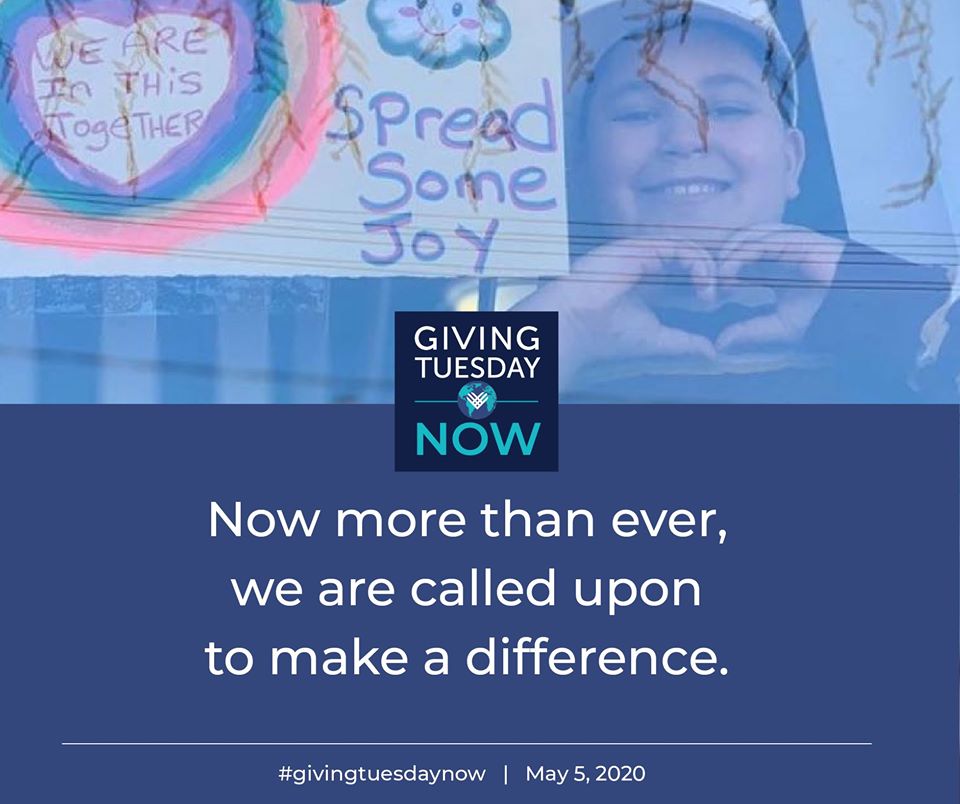
Yet, with the threat and immense need caused by COVID-19, waiting until Giving Tuesday for a global, unified call for charitable giving isn’t sufficient. #GivingTuesdayNow (on May 5, 2020) was organized as an international day “designed to drive an influx of generosity, citizen engagement, business and philanthropy activation, and support for communities and nonprofits around the world. It’s a day when we can all come together and give back in all ways, no matter who or where we are.”

Use this day a chance to celebrate the power of giving by supporting the nonprofit organizations you care deeply about—particularly those providing social services and essentials to beneficiary populations in need.

Of course, with unemployment at a record high, donors can also celebrate and support the COVID-19 efforts through donating time or blood/plasma.

Want to discuss how to be strategic with your charitable giving during this difficult time? Don’t hesitate to shoot me an email or give me a call at 515-371-6077.

#GivingTuesdayNow

Over the past few weeks, it has been easy for the days to blur together⁠—with schedules important for stability but also keeping our socially distant lives accordingly mundane. But tomorrow, May 5, 2020 is an important day to note, promote, and celebrate! #GivingTuesdayNow was organized, in part, as an effort to encourage donations to nonprofit organizations helping to address the immense collateral damage inflicted by COVID-19. Now.GivingTuesday.Org offers other ways to support the effort while maintaining social distancing:

  • Support healthcare workers by donating supplies, advocating for them, and staying home
  • Help out small businesses by buying gift cards or writing an online review
  • Combat loneliness by reaching out to a neighbor, relative, seniors or veterans

A simple-but-important step every Iowa nonprofit can and should take is to promote #GivingTuesdayNow as a part of fundraising⁠—particularly with programs and services focused on serving populations affected by COVID-19.

Engage board members, staff, past donors, potential donors, and other stakeholders with fundraising efforts by posting #GivingTuesdayNow content and participating in the international digital conversation. Consider the many resources hosted on now.givingtuesday.org as a good starting point for content inspiration.

#GivingTuesdayNow is an important reminder that especially during this challenging time Iowans need high-functioning nonprofits now more than ever.

The mission of Gordon Fischer Law Firm is to promote and maximize charitable giving in Iowa. This is all year long—not just on #GivingTuesdayNow. GFLF is available to work with nonprofit organizations on every element of operations including but certainly not limited to:

  • Training of nonprofit boards and staff and educating on charitable giving tools and techniques
  • Employment law guidance for nonprofits including advice about hiring and firing, and drafting of policies and procedures
  • Handling compliance issues, like forming a 501(c)(3)and Form 990 reporting
  • Working with nonprofit and donors on complex gifts

Interesting in discussing your nonprofit’s operational needs? Contact me for a free consultation at 515-371-6077 or gordon@gordonfisherlawfirm.com.

black headphones against yellow background

Recently I had the chance to speak with Jeff Stein the News and Program Director at News/Talk 1540 KXEL. We chatted about charitable donations to nonprofits in this age of COVID-19. Because there are so many financial challenges affecting both nonprofit organizations (and the beneficiary populations they serve) and current and prospective donors, this is a precarious, fragile time.

In preparation for the #GivingTuesdayNow global on Tuesday, give this interview a listen. It’s less than twenty minutes and will give you some solid insights into how to practice strategic charitable giving in a way that’s most useful to the nonprofit organizations you care most about during this trying time.

News Talk 1540 KXEL

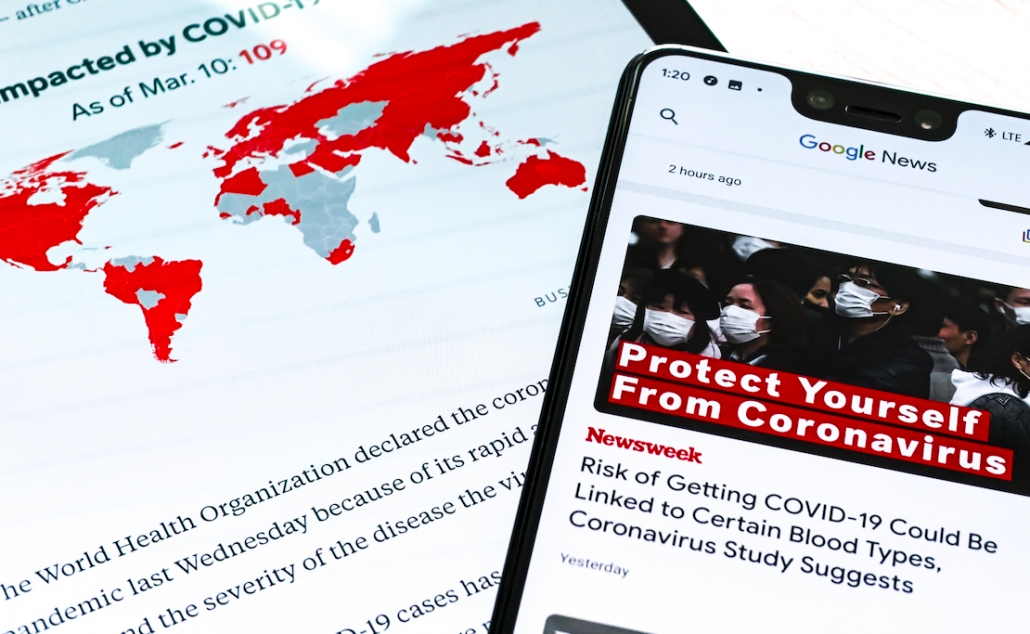
four faces covered by health masks

Consequences from COVID-19 including skyrocketing unemployment, mental health concerns, and general basic supply scarcity has meant an increased demand for services from nonprofits in a multitude of sectors. I’ve seen a number of successful efforts to help out local businesses, such as restaurants and shops, that are hurting from lack of foot traffic. These campaigns have focused on alternative revenue streams such as delivery deals and gift cards. The same concept can and should go be applied to your favorite nonprofit organizations as well.

Here are three ways you can help nonprofits while continuing to practice safe social distancing.

Donate cash under the CARES Act

The federal “Coronavirus Aid, Relief, and Economic Security” (CARES) Act was recently passed and among other policy goals, aims to incentivize charitable giving. The CARES Act creates a new federal income tax charitable deduction for total charitable contributions of up to $300. The incentive applies to cash contributions made in 2020 and can be claimed on tax forms next year. This deduction is an “above-the-line” deduction. This means it’s a deduction that applies to all taxpayers, regardless if they elect to itemize.

For those taxpayers who do itemize, the law lifts the existing cap on annual contributions from 60 to 100 percent of adjusted gross income. For corporations, the law raises the annual contributions limit from 10 to 25 percent. Likewise, the cap on corporate food donations has increased from 15 to 25 percent.

Protect yourself from coronavirus

Photo by Obi Onyeador on Unsplash

Gift retirement benefit plans

If you have a retirement benefit plan, like an IRA or 401(k), you may gift the entire plan, or just a percentage, to your favorite charity or charities upon your death. Retirement plans can be an ideal asset donation to a nonprofit organization because of the tax burden the plans may carry if paid to non-charitable beneficiaries, such as family members.

This can be accomplished by fully completing a beneficiary designation form from the account holder and name the intended nonprofit organization(s) as a beneficiary of your qualified plan. The funds you designate to charitable organizations will be distributed directly to the organizations tax-free and will pass outside of your estate, Individuals who elect this type of charitable giving can continue to make withdrawals from retirement plans during their lifetime.

Write in bequests to your estate plan

Execute an estate plan, or update an existing one, to include bequests (gifts) to the nonprofit organizations you care about. There are multiple different types of bequests which means testators have flexibility with the structure of their estate plans. An experienced estate planner will be able to advise you on all of your options, but here is a brief overview.

Pecuniary bequest

A gift of a fixed or stated sum of money designated in a donor’s will or trust.

Demonstrative bequest

A gift that comes from an explicit source such as a particular bank account.

Percentage bequest

A percentage bequest devises a set percentage—for example 5 percent of the value of the estate. A percentage bequest may be the best format for charitable bequest since it lets the charity benefit from any estate growth during the donor’s lifetime.

Specific bequest

A gift of a designated or specific item (like real estate, a vehicle, or artwork) in the will or trust. The item will very likely be sold by the nonprofit and the proceeds would benefit that nonprofit.

Residuary bequest

A gift of all or a portion of the remainder of the donor’s assets after all other bequests have been made as well as debts and taxes paid.

Contingent bequest

A gift made on the condition of a certain event that might or might not happen. A contingent bequest is specific and fails if the condition is not made. An example of a charitable contingent bequest might be if a certain person predeceases you,

This is just a small list, as there are many ways to efficiently and effectively make charitable donations in a tax-wise manner that benefits both parties involved. Because each individual’s financial situation is unique it’s highly recommended to consult with the appropriate professional advisors.

I’d be happy to discuss any questions, concerns, or ideas you may have. Contact me via email at gordon@gordonfischerlawfirm.com or by phone at 515-371-6077.

Attorney reading The Iowa Lawyer COVID-19

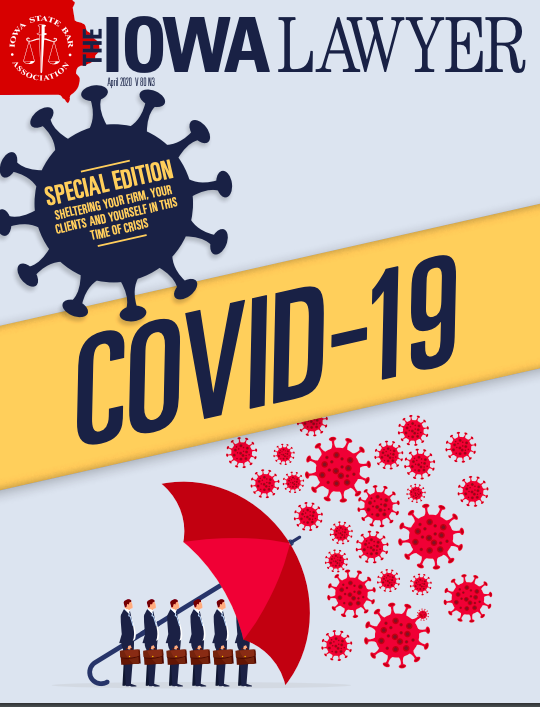
The Iowa State Bar Association recently published a special edition of The Iowa Lawyer, dedicated to legal situations and considerations related to the global pandemic of COVID-19.

Gordon Fischer Law Firm wrote two pieces for this volume. The first article provides tips for supporting nonprofits providing critical aid. The second piece covers best practices for estate planning during coronavirus and how getting even the basic documents in place can provide some peace of mind. The hope is that these pieces provide useful information for all Iowans, not just attorneys. Scroll to pages 15–18 on this PDF version of the publication to start reading!

Iowa Lawyer COVID-19 Cover April 2020

Also in the Iowa State Bar Association’s publication are some interesting stories on: managing anxiety and stress during this chaotic time; how to stay cybersecure while working from home; and what companies’ legal obligations are around the coronavirus, among many other worthwhile reads.

If you’re interested in reading GFLF’s previously published articles in past editions, click here to scan through the archives. Also, the articles got you thinking that it may be time to start on or revise your estate plan, check out GFLF’s free, no-obligation Estate Planning Questionnaire.

four leaf clover

In the spirit of St. Patrick’s Day, pour yourself a pint and read up on some simple, yet smart, charitable giving strategies. Whether you want to support the great work of an Oscar Wilde literary foundation or an Irish heritage association, tools and benefits that align with your charitable giving goals can help to stretch your green and make a difference in the causes you care about.

Top O’ the Morning Giving: Now Rather than Later

It’s been said, “you should be giving while you are living, so you’re knowing where it’s going,” so let’s explore a few options in the case of a hypothetical Irish Iowan, Sinead O’Sullivan.

Sinead O’Sullivan intends to donate to charity eventually, at death through her will and estate plan. But why not give now? Sinead can have more say about the use of gifts while she’s alive, and also feel the joy that comes with helping worthy causes. There are also positive tax benefits for Sinead to give now rather than later. Let’s look at these potential positive tax benefits.

green beer

Faith and Begorrah: Double Federal Tax Benefit!

Gifts of long-term capital assets, such as stock, real estate, and farmland (where leprechauns may live!), can receive a double federal tax benefit.

First, Sinead can receive an immediate charitable deduction off federal income tax, equal to the fair market value of the stock, real estate, or farmland. Even with the increased standard deduction under the Tax Cuts and Jobs Act, this is still a valuable consideration give the value of charitable donation would exceed the standard deduction. (It would be especially beneficial if Sinead is considering “bunching” as a tax-saving strategy.)

Second, assuming Sinead owned the asset for more than one year when the asset is donated, Sinead can avoid the long-term capital gain taxes which would have been owed if the asset was sold.

Guinness door

Let’s look at a concrete example to make this clearer. Sinead owns shares of publicly-traded stock in Diageo (Guinness‘ parent producer and distributor company), with a fair market value of $100,000. She wants her stock to help her favorite causes. Which would be better for Sinead (a single taxpayer) to do—sell the stock and donate the cash, or give the stock directly to her favorite charities? Assume the stock was originally purchased at $20,000 (basis), Sinead’s federal income tax rate is 37%, and her capital gains tax rate is 16%.

Donating cash versus donating long-term capital gain assets  Donating cash proceeds after sale of stock Donating stock
Value of gift $100,000 $100,000
Federal income tax charitable deduction ($37,000) ($37,000)
Federal capital gains tax savings $0 ($16,000)
Out-of-pocket cost of gift $63,000 $47,000

NOTE: ABOVE TABLE IS FOR ILLUSTRATIVE PURPOSES ONLY. ONLY YOUR OWN FINANCIAL OR TAX ADVISOR CAN ADVISE IN THESE MATTERS.

Again, a gift of long-term capital assets, such as stocks, real estate, or farmland, made during lifetime, can be doubly beneficial. Sinead can receive a federal income tax charitable deduction equal to the fair market value of the asset and also avoid capital gains tax.

In Iowa, however, there is an even more potential tax benefit.

Saints Preserve Us: 25% Iowa Tax Credit

Under the Endow Iowa Tax Credit program, gifts made during a lifetime can be eligible for a 25% tax credit. There are only three requirements to qualify.

  1. The gift must be given to, or receipted by, a qualified Iowa community foundation (there’s a local community foundation near you).
  2. The gift must be made to an Iowa charity.
  3. The gift must be endowed – that is, a permanent gift. Under Endow Iowa, no more than 5% of the gift can be granted each year – the rest is held by, and invested by, your local community foundation.

Let’s look again at the case of Sinead, who is donating stock per the table above. If Sinead makes an Endow Iowa qualifying gift, the tax savings are very dramatic. There are potentially huge tax benefits of donating long-term capital gain assets, such as stocks, real estate, and farmland while claiming the Endow Iowa Tax Credit:

Value of gift $100,000
Federal income tax charitable deduction ($37,000)
Federal capital gains tax savings ($16,000)
Endow Iowa Tax Credit ($25,000)
Out-of-pocket cost of gift $22,000

NOTE: ABOVE TABLE IS FOR ILLUSTRATIVE PURPOSES ONLY. ONLY YOUR OWN FINANCIAL OR TAX ADVISOR CAN ADVISE IN THESE MATTERS.

Put another way, Sinead made a gift of $100,000 to her favorite charity, but the out-of-pocket cost of the gift to her was less than $25,000.

This is a great deal for Sinead and a great deal for Sinead’s favorite tax-exempt organizations. But, to be a smart donor you must also, of course, consider the potential areas of caution as well as the benefits.

Cautionary Ballads

The federal income tax charitable deduction is capped. Generally, the federal charitable deduction for gifts of stock, real estate, and farmland is limited to 30% of adjusted gross income. A taxpayer may, however, carry forward any unused deduction amount for an additional five years.

Additionally, records are required to obtain a federal income tax charitable deduction. The more the charitable deduction, the more detailed the recording requirements. For example, to receive a charitable deduction for certain gifts of more than $5,000, you need a “qualified appraisal” by a “qualified appraiser,” two terms with very specific meanings to the IRS. It’s a wise idea to engage the right financial and legal professionals to be sure all requirements are met.

Endow Iowa Tax Credits are also capped – both statewide and per individual. Iowa sets aside a pool of money for Endow Iowa Tax Credits, and it’s available on a first-come, first-serve basis. Submitting an application at the beginning of the tax year is advised, as tax credits often run out toward year’s end. In fact, this year approximately $6 million in tax credits were awarded and there are no more available credits to be granted. However, you can submit your application to be placed on the waitlist for 2020 tax credits.

Endow Iowa also has a cap per individual. Tax credits of 25% of the gifted amount are limited to $300,000 in tax credits per individual for a gift of $1.2 million, or $600,000 in tax credits per couple for a gift of $2.4 million.

Finally, all individuals, families, businesses, and farms are unique and have unique tax issues.  This article is presented for informational purposes only, not as tax advice or legal advice. Consult your own professional for personal advice.

Sláinte!

rainbow

Our case study subject, Sinead, found the pot o’ gold at the end of the charitable giving rainbow by working with a qualified attorney who specializes in complex donations. You may not be in the same tax bracket as Sinead or have stocks valued at the same rate, but regardless, I would recommend to all donors with large gifts (especially assets of the non-cash variety). Want to discuss your giving goals and options for long-term capital assets? I offer a free consultation to all, so don’t hesitate to contact me.