Posts

I. INTRODUCTION

Happy New Year! A great way to start 2024 for Iowa nonprofits? Adopt the ten (10) policies referenced on IRS Form 990, as discussed fully below.

II. IRS FORM 990

Every nonprofit, every year, must complete and file a version of Form 990, which the IRS calls its “Return of Organization Exempt From Income Tax.” The “long” version of Form 990 asks about many financial matters – donations, money on hand, non-cash assets, breakdown of expenses, and so on.

Form 990 goes even further however, and asks nonprofits if they have certain policies in place. In fact, there are ten (10) specific policies that the IRS asks about on Form 990.

To be clear, the IRS does not mandate adopting these ten (10) policies. But the IRS, at least to me, is signaling what policies nonprofits should have in place. Again, my read of Form 990 is that the IRS is showing nonprofits what it considers to be “best practices.”

III. REASONS FOR THESE TEN (10) POLICIES AND THEIR BENEFITS

One might ask, if these policies are not absolutely required, why have them?

Generally, these ten (10) policies provide substantial benefits, including, but hardly limited to:

  • Enhanced confidence of donors and other stakeholders
  • Consistent framework for decision making
  • Increased compliance with federal, state, and local laws
  • Reduced risk to the nonprofit and its management and governing board

The existence of policies doesn’t mean compliance is always assured of course, but having policies in place provides a framework and sets expectations for a nonprofit’s board members, employees, donors, volunteers, and other stakeholders. Such policies can be referenced if (when) issues arise.

Another major reason to invest in adopting these policies is because the IRS audits tax-exempt nonprofits, just as it audits companies and individuals. Having certain policies in place will only serve to benefit the nonprofit should it happen to be audited. Also, proper policies provide a foundation for soliciting, accepting, and facilitating charitable donations.

Last, but not least, Form 990 is made accessible to the public, meaning it can be used as a public relations tool if filled out diligently. Major donors can and often do review a nonprofit’s Form 990 to ensure the nonprofit is compliant, putting charitable donations to good use, and continuing to operate in alignment with its overall mission.

IV. WHAT POLICIES ARE WE TALKING ABOUT?

The IRS made a major revision to Form 990 in 2008. The old version focused largely on financial data. Now, Form 990 reports extensive information on operations such as board governance, fundraising, non-cash assets, and more. Let’s cover all ten (10) policies the IRS asks nonprofits to report on in its Form 990. I’ll discuss each policy in alphabetical order.

1. COMPENSATION

Data related to compensation is reported in multiple sections on Form 990: Part I, Part VI, Part VII, Part IX, and Schedule J.

Competitive compensation is just as important for employees of nonprofits as it is for for-profit employees. Having a policy that objectively establishes salary ranges for positions, updated job descriptions, relevant salary administration, and performance management establishes equality and equity in compensation practices. A statement of compensation philosophy and strategy, which explains to current and potential employees and board members how compensation supports the nonprofit’s mission, should be included in the compensation policy.

2. CONFLICT OF INTEREST

Found on Form 990 Part VI, Section B, Line 12 a-c.

A conflict of interest policy should do two important things. First, it should require board members with a conflict (or a potential conflict) to disclose said conflict. Second, it should exclude individual board members from voting on matters in which there is a conflict.

The Form 990 glossary defines a “conflict of interest policy” as follows:

A conflict of interest policy defines conflicts of interest, identifies the classes of individuals within the organization covered by the policy, facilitates disclosure of information that can help identify conflicts of interest, and specifies procedures to be followed in managing conflicts of interest. A conflict of interest arises when a person in a position of authority over an organization, such as an officer, director, manager, or key employee can benefit financially from a decision he or she could make in such capacity, including indirect benefits such as to family members or businesses with which the person is closely associated. For this purpose, a conflict of interest doesn’t include questions involving a person’s competing or respective duties to the organization and to another organization, such as by serving on the boards of both organizations, that don’t involve a material financial interest of, or benefit to, such person.

Form 990 asks whether the nonprofit has a conflict of interest policy, as well as how the nonprofit determines and manages board members who have an actual or perceived conflict of interest. This policy is hugely important, as conflicts of interest that are not successfully and ethically managed can result in sanctions against both the nonprofit and the individual with the conflict(s).

3. DOCUMENT RETENTION AND DESTRUCTION

Found on Form 990 Part VI, Section B, Line 14.

This policy should clarify what types of documents should be retained, how they should be filed, and for what duration. It should also outline proper deletion and or destruction techniques. The document retention and destruction policy (sometimes called, sometimes simply called a “DRD policy”) is useful for a number of reasons. The principal rationale as to why any nonprofit would want to adopt such a policy is that it ensures important documents—financial information, employment records, contracts, information relating to asset ownership, etc.—are stored for a standard period of time for tax, business, and other regulatory purposes. No doubt document retention is incredibly important should litigation or governmental investigation arise.

A strong, clear DRD policy also allows nonprofits to save time, space, and money associated with both hard copy and digital file storage, by determining what is no longer needed and when…it’s like sanctioned spring cleaning!

4. FINANCIAL POLICIES AND PROCEDURES

Different than the investment policy (as discussed below), financial policies specifically address guidelines for making financial decisions, reporting the financial status of the nonprofit, managing funds, and developing financial goals. The financial management policies and procedures should also outline the budgeting process, investment reporting, what accounts may be maintained by the nonprofit, and when scheduled auditing will take place. Form 990 does not make a specific ask about a nonprofit’s financial policies, but this type of policy will serve as an indispensable guide to organizing, collecting, and reporting financial data.

5. FORM 990 REVIEW

Found on Form 990 Part VI, Section B, Line 11.

Form 990 asks the following questions:

Has the organization provided a complete copy of this Form 990 to all members of its governing body before filing the form? Describe in Schedule O the process, if any, used by the organization to review this Form 990.

In asking these questions, the IRS is indicating that careful distributing and reviewing Form 990 prior to filing is optimal. This policy is extremely useful in clarifying the specific process for distribution and procedure review by the governing body (such as the board of directors). It also acts as a reminder to nonprofit leaders that Form 990 is coming due!

6. FUNDRAISING

The topic of fundraising gets substantial attention on Form 990; fundraising income and expenses are asked about in Part I, Part IV, Part VIII, Part IX, and Schedules G and M.

Almost every nonprofit needs a fundraising policy, as so many nonprofits engage in some sort of charitable fundraising. This policy should include provisions for compliance with local, state, and federal laws, as well as the ethical norms the nonprofit chooses to abide by in fundraising efforts. Remember that fundraising doesn’t just include solicitation of donations, but also receipt of donations.

7. GIFT ACCEPTANCE

Gifts and contributions are referenced many times on Form 990: Part I, Part IV, Part V, Part VIII, Part IX, and Schedule M.

While related to the fundraising policy, the gift acceptance policy is different, as it establishes how nonprofits will handle certain types of assets. This policy provides written protocols for nonprofit board members and staff to evaluate proposed non-cash donations. The policy can also grant some much-needed guidance in how to kindly reject donations that can carry extraneous liabilities and obligations the nonprofit is not readily able to manage.

8. INVESTMENT

One way a board of directors can fulfill their fiduciary responsibility to the nonprofit is through investing assets to further the nonprofit’s goals. But, before investment vehicles are used, the nonprofit should have an investment policy in place to define who is accountable for the investment decisions. The policy should also offer guidance on activities of growing/protecting the investments, earning interest, and maintaining access to cash if necessary.

The policy should be written to give the nonprofit’s management personnel the authority to make investment decisions, as well as preserve the board’s oversight ability. Beyond the specifics of investments, this policy can also govern financial management decisions regarding situations like accepting charitable gifts of securities.

Many nonprofits hire a professional financial advisor or investment manager to implement investments and offer advice. This person’s role can be accounted for in the investment policy. Form 990 does not ask if a nonprofit has a specific investment policy, but it does refer to investments in multiple places throughout the form, and there is an obvious need.

9. PUBLIC DISCLOSURE

Found on Form 990 Part VI, Section C, Lines 18-20.

Speaking broadly, nonprofits exist to serve the public in some way or another, and some nonprofit documents must be made available to the public upon request. Other documents can be kept entirely internal. This policy should overview (1) what documents the nonprofit must disclose, and (2) to what extent does it want to make other non-required documents and information available to the public.

Form 990 specifically asks the filing nonprofit to report if certain documents are made available to the public, such as governing documents (like the bylaws), financial statements, and the conflict of interest policy. Additionally, Form 990 asks for the name, address, and phone number of the individual(s) who possesses the financial “books” and records of the nonprofit.

10. WHISTLEBLOWER

Found on Form 990 Part VI, Section B, Line 13. 

Nonprofits, along with all organizations, are prohibited from retaliating against employees who call out, draw attention to, or “blow the whistle” against employer practices. A whistleblower policy should set a process for complaints to be addressed and include protection for whistleblowers. Ultimately this policy can help insulate your nonprofit from the risk of state and federal law violation and encourage sound, swift responses of investigation and solutions to complaints.

A whistleblower policy encourages staff and volunteers to come forward with credible information on illegal practices or violations of adopted policies of the nonprofit, specifies that the nonprofit will protect the individual from retaliation, and identifies those staff or board members or outside parties to whom such information can be reported.

V. CONCLUSION

Iowa nonprofits make such a huge difference all across our state. Nonprofits can make an even larger impact by adopting the ten (10) policies referenced on IRS Form 990.

Questions about the ten (10) policies referenced on IRS Form 990? My email is:
gordon@gordonfischerlawfirm.com


paper and phone on desk

Tax-exempt organizations need to have specific guidelines in place to be compliant and in order to meet the IRS’ expectations. It’s never too late (or early!) to invest in comprehensive internal and external policies and procedures. That’s why I’m offering the Nonprofit Policy: 10 for 990 special. You don’t have to feel overwhelmed or burdened at the thought of trying to draft legally correct and comprehensive policies. I’m offering a special deal for 10 important policies (read on for an overview of each) at the rate of $990. This also includes a comprehensive consultation and one full review round.

If you’re a nonprofit founder, executive, board member, or even an active volunteer, this is an excellent way to ensure the organization you’re deeply invested in is meeting (and exceeding!) the gold standard for tax-exempt organizations.

team members holding speech bubbles

I don’t know anyone who loves paperwork more than the Internal Revenue Service (IRS). But, if you’re operating a nonprofit, you’re going to have to learn how to embrace paperwork as well. Why? The IRS requires certain information from your organization be submitted annually via Form 990 “Return of Organization Exempt From Income Tax.” This 12-page document (not including schedules) serves as a check to make certain nonprofit organizations are still qualified for that coveted tax-exempt status. To that point, the 990 asks nonprofits about policies and procedures that help ensure the nonprofit is conducting business in a transparent way that’s consistent with their exempt purposes. Specific governance policies encouraged by the IRS limit potential abuse, protect against vulnerabilities, and prevent activities that would go beyond permitted nonprofit activities.

Major Benefits & Reasons for Policies for Compliance

If governance policies are not technically required, why do them?

write ideas

The existence of a policy doesn’t mean compliance is assured, of course, but having policies in place provides a framework and the expectations for an organization’s executives, employees, volunteers, and board members. Such policies can also be referenced if/when issues arise.

One of the major reasons to invest in strongly written, organization-specific policies is because the IRS audits tax-exempt organizations, just as it audits companies and individuals. (Having certain policies in place will only serve to benefit the organization should it happen to be audited.)

Another major reason to have proper policies and procedures in place is because they provide a foundation for soliciting, accepting, and facilitating charitable donations. Last, but not least, the 990 is made accessible to the public, meaning it can be used as a public relations tool if filled out diligently. Major donors can and often do review a charity’s 990 to ensure the charity is compliant, putting charitable donations to good use, and continues to operate in alignment with the overall mission.

Form 990 also serves the greater nonprofit sector as the data collected allows for the monitoring of growth and trends, tracking the types of needs/issues being addressed by nonprofits, and identifying specific adopted practices.

What Policies are We Talking About?

One thing’s for certain, articles of incorporation and bylaws are just the beginning when it comes to foundational documents.

The IRS made a major revision to Form 990 in 2008. The old version focused largely on financial data. Now, Form 990 reports extensive information on operations such as board governance, fundraising, international programs, non-cash receipts, joint ventures, use of subsidiaries, and more. Let’s cover all the policies the IRS asks tax-exempt nonprofits to report on:

Conflict of Interest

Found on Form 990: Part VI, Line 12 a-c

A conflict of interest policy should do two important things:

  1. require board members with a conflict (or a potential conflict) to disclose it, and
  2. exclude individual board members from voting on matters in which there is a conflict.

The Form 990 glossary defines a “conflict of interest policy” as follows:

A policy that defines conflict of interest, identifies the classes of individuals within the organization covered by the policy, facilitates disclosure of information that may help identify conflicts of interest, and specifies procedures to be followed in managing conflicts of interest. A conflict of interest arises when a person in a position of authority over an organization, such as an officer, director, or manager, may benefit financially from a decision he or she could make in such capacity, including indirect benefits such as to family members or businesses with which the person is closely associated. For this purpose, a conflict of interest does not include questions involving a person’s competing or respective duties to the organization and to another organization, such as by serving on the boards of both organizations, that do not involve a material financial interest of, or benefit to, such person.

Form 990 asks whether the nonprofit has a conflict of interest policy, as well as how the organization determines and manages board members who have an actual or perceived conflict of interest. This policy is all too important, as conflicts of interest that are not successfully and ethically managed can result in “intermediate sanctions” against both the organization and the individual with the conflicts.

If consistently adhered to, this policy can inspire internal and external stakeholder confidence in the organization as well as prevent potential violations of federal and state laws.

Document Retention and Destruction

Found on Form 990: Part VI, Line 14

This policy should clarify what types of documents should be retained, how they should be filed, and for what duration. It should also outline proper deletion and or destruction techniques.

The document retention and destruction policy (DRD policy) is useful for a number of reasons. The principle rational as to why any organization would want to adopt such a policy is that it ensures important documents—financial information, employment records, contracts, information relating to asset ownership, etc.—are stored for a period of time for tax, business, and other regulatory purposes. No doubt document retention could be important for proof in litigation or a governmental investigation.

You may have heard of the federal law, the Sarbanes-Oxley Act of 2002. It reaffirms the importance of a DRD policy. Sarbanes-Oxley reads:

Whoever knowingly alters, destroys, mutilates, conceals, covers up, falsifies, or makes a false entry in any record, document, or tangible object with the intent to impede, obstruct, or influence the investigation or proper administration of any matter within the jurisdiction of any department or agency of the United States or any case filed under title 11, or in relation to or contemplation of any such matter or case, shall be fined under this title, imprisoned not more than 20 years, or both.

While the Sarbanes-Oxley legislation generally does not pertain to tax-exempt organizations, it does impose criminal liability on tax-exempt organizations for the destruction of records with the intent to obstruct a federal investigation.

Another reason a DRD policy is an excellent idea, is it forces an organization to save space and money associated with both hard copy and digital file storage, by determining what is no longer needed and when…it’s like sanctioned spring cleaning!

Whistleblower

Found on Form 990: Part VI, Question 13 

Nonprofits, along with all corporations, are prohibited from retaliating against employees who call out, draw attention to, or “blow the whistle” against employer practices. A whistleblower policy should set a process for complaints to be addressed and include protection for whistleblowers.

Ultimately this policy can help insulate your organization from the risk of state and federal law violation and encourage sound, swift responses of investigation and solutions to complaints. Don’t just take it from me, the IRS also considers this an incredibly helpful policy:

A whistleblower policy encourages staff and volunteers to come forward with credible information on illegal practices or violations of adopted policies of the organization, specifies that the organization will protect the individual from retaliation, and identifies those staff or board members or outside parties to whom such information can be reported. (Instructions to Form 990)

The Sarbanes-Oxley Act (referenced under the document retention and destruction policy above) also applies here. If found in violation of Sarbanes-Oxley, both an organization and any individuals responsible for the retaliatory action could face civil and criminal sanctions and repercussions including prison time.

Compensation

Competitive compensation is just as important for employees of nonprofits as it is for for-profit employees. Data related to compensation is reported in three different sections on Form 990: “Officers, Directors, Trustees, Key Employees, and Highest Compensated Employees;” “Statement of Functional Expenses,” lines 5, 7, 8, and 9; and Schedule J;” and “Compensation Information for Certain Officers, Directors, Trustees, Key Employees, and Highest Compensated Employees.”

Having a set policy in place that objectively establishes salary ranges for positions, updated job descriptions, relevant salary administration, and performance management, is used to establish equality and equity in compensation practices. A statement of compensation philosophy and strategy, which explains to current and potential employees and board members how compensation supports the organization’s mission, can be included in the compensation policy.

Generally, this policy provides the benefits of:

  • Enhanced confidence of donors and supporters
  • Consistent framework for decision making on compensation
  • Increased compliance with federal and state employment laws
  • Reduced risk to the organization and its management and governing board

Fundraising

The topic of fundraising gets substantial attention on Form 990; fundraising income and expenses are asked about in Part I, three places in Part IV, Part VIII, Part IX, and Schedules G and M. Almost every nonprofit needs a fundraising policy, as almost all engage in some sort of charitable fundraising. This policy should include provisions for compliance with local, state, and federal laws, as well as the ethical norms the organization chooses to abide by in fundraising efforts. Remember that fundraising doesn’t just include solicitation of donations, but also receipt of donations.

Gift Acceptance

Found on Form 990: Schedule M, Part I, line 31

While related to the fundraising policy, the gift acceptance policy relates to charitable contributions. There are no legal requirements for a gift acceptance policy, however this policy provides written protocols for nonprofit board members and staff to evaluate proposed non-cash donations. The policy can also grant some much-needed guidance in how to kindly reject donations that can carry extraneous liabilities and obligations the organization is not readily able to manage.

rubix cube on desk

Investment

One way a board of directors can fulfill their fiduciary responsibility to the organization is through investing assets to further the nonprofit’s goals. But, before investment vehicles are invested in, the organization should have an investment policy in place to define who is accountable for the investment decisions. The policy should also offer guidance on activities of growing/protecting the investments, earning interest, and maintaining access to cash if necessary.

Beyond the specifics of investments, this policy can also govern financial management decisions regarding situations like accepting charitable gifts of securities.

The policy should be written to give the nonprofit’s management personnel the authority to make investment decisions, as well as preserve the board’s oversight ability.

Many organizations hire a professional financial advisor or investment manager to implement investments and offer advice. This person’s role can be accounted for in the investment policy.

Form 990 does not ask if an organization has a specific investment policy, but it does refer to investments in multiple places throughout the form, hence the obvious need. 

Financial Policies and Procedures

Different than the aforementioned investment policy, the financial policies and procedures policy specifically addresses guidelines for making financial decisions, reporting financial status of the organization, managing funds, and developing financial goals. The financial management policies and procedures should also outline the budgeting process, investments reporting, what accounts may be maintained by the nonprofit, and when scheduled auditing will take place. Similar to the investment policy, Form 990 does not make a specific ask about an organization’s financial policies, but this type of policy will serve as an indispensable guide to organizing, collecting, and reporting financial data.

Form 990 Review

Found on Form 990: Part VI, Section B, Line 11

Form 990 asks the following questions:

  • Has the organization provided a copy of this Form 990 to all members of its governing body before filing the form?
  • Describe in Schedule O the process, if any, used by the organization to review this Form 990.

In asking these questions, the IRS is indicating that distribution of the form prior to filing is optimal. (This is also one of those gold standard governing practices that is beneficial when using the form as a public relations material.) There are no federal tax laws requiring Form 990 review, and Form 990 does not mandate a written policy. However, a written policy is incredibly useful in clarifying a specific process for distribution and procedure review by the governing body (such as the board of directors). It also formalizes a review process and acts as a reminder to nonprofit leaders to distribute accordingly.

paper and pen on desk

Public Disclosure

Found on Form 990: Part VI, Section C, Lines 18 – 20

Public charities exist to serve the public in some way or another, and some organizational documents must be made available to the public upon request. Other documents can be kept entirely internal. This policy should overview (1) what documents must the organization disclose, and (2) to what extent does it want to make other non-required documents and information available to the public.

Form 990 specifically asks the filing organization to report if certain documents are made available to the public, such as governing documents (like the bylaws), conflict of interest policy, and financial statements. Additionally, the form asks for the name, address, and phone number of the individual(s) who possesses the financial “books” and records of the organization.

Where Do I Start?

man writing on paper

The mission of Gordon Fischer Law Firm is to promote and maximize charitable giving in Iowa, and to that point I want to help every Iowa nonprofit be legally compliant.

The 10 policies part of this promotion will save you time, resources, and you can feel good about having a set of high quality policies to guide internal operations, present to the public (if appropriate), and fulfill form 990 requirements.

If you already have some (or all) of the above listed policies in place, seriously consider the last time they were updated. How has the organization changed since they were written? Have changes to state and federal laws impacted these policies at all? It may be high time for a new set of policies that fits your organization.

Interested? It’s always a good day to contact Gordon Fischer Law Firm via email Gordon@gordonfischerlawfirm.com or by phone (515-371-6077).

#GivingTuesdayNow

Over the past few years Giving Tuesday has claimed its rightful place in the post-Thanksgiving “days” that kick-off the holiday shopping season as well as the end-of-year giving push. Billed as a “global giving movement,” the tag #GivingTuesday encourages people to donate your time, monetary donations, or even just your voice and ideas to a charity/cause that you care for.

#GivingTuesdayNow imgate

Yet, with the threat and immense need caused by COVID-19, waiting until Giving Tuesday for a global, unified call for charitable giving isn’t sufficient. #GivingTuesdayNow (on May 5, 2020) was organized as an international day “designed to drive an influx of generosity, citizen engagement, business and philanthropy activation, and support for communities and nonprofits around the world. It’s a day when we can all come together and give back in all ways, no matter who or where we are.”

Use this day a chance to celebrate the power of giving by supporting the nonprofit organizations you care deeply about—particularly those providing social services and essentials to beneficiary populations in need.

Of course, with unemployment at a record high, donors can also celebrate and support the COVID-19 efforts through donating time or blood/plasma.

Want to discuss how to be strategic with your charitable giving during this difficult time? Don’t hesitate to shoot me an email or give me a call at 515-371-6077.

#GivingTuesdayNow

Over the past few weeks, it has been easy for the days to blur together⁠—with schedules important for stability but also keeping our socially distant lives accordingly mundane. But tomorrow, May 5, 2020 is an important day to note, promote, and celebrate! #GivingTuesdayNow was organized, in part, as an effort to encourage donations to nonprofit organizations helping to address the immense collateral damage inflicted by COVID-19. Now.GivingTuesday.Org offers other ways to support the effort while maintaining social distancing:

  • Support healthcare workers by donating supplies, advocating for them, and staying home
  • Help out small businesses by buying gift cards or writing an online review
  • Combat loneliness by reaching out to a neighbor, relative, seniors or veterans

A simple-but-important step every Iowa nonprofit can and should take is to promote #GivingTuesdayNow as a part of fundraising⁠—particularly with programs and services focused on serving populations affected by COVID-19.

Engage board members, staff, past donors, potential donors, and other stakeholders with fundraising efforts by posting #GivingTuesdayNow content and participating in the international digital conversation. Consider the many resources hosted on now.givingtuesday.org as a good starting point for content inspiration.

#GivingTuesdayNow is an important reminder that especially during this challenging time Iowans need high-functioning nonprofits now more than ever.

The mission of Gordon Fischer Law Firm is to promote and maximize charitable giving in Iowa. This is all year long—not just on #GivingTuesdayNow. GFLF is available to work with nonprofit organizations on every element of operations including but certainly not limited to:

  • Training of nonprofit boards and staff and educating on charitable giving tools and techniques
  • Employment law guidance for nonprofits including advice about hiring and firing, and drafting of policies and procedures
  • Handling compliance issues, like forming a 501(c)(3)and Form 990 reporting
  • Working with nonprofit and donors on complex gifts

Interesting in discussing your nonprofit’s operational needs? Contact me for a free consultation at 515-371-6077 or gordon@gordonfisherlawfirm.com.

alarm clock on table

Most people have Tax Day earmarked in their minds like a birthday or federal holiday (typically it’s April 15, although with the nationwide COVID-19 pandemic the IRS pushed the due date for filing income taxes back to July 15, 2020). Nonprofit leaders should have another day highlighted on their calendars for the next few years: when the annual reporting return, Form 990, is due.

Tax-exempt nonprofit organizations don’t pay federal taxes (obviously from the “tax-exempt” category), but the IRS still requires certain information in order to evaluate organizations on details like programs, finances, governance, and mission. It’s a way of confirming that tax-exempt entities are still qualified to operate without paying federal taxes. Form 990s are also made available to the public so there’s also accountability and transparency involved.

Due date?

man typing on computer with phone in forefront

So, when is Form 990 due exactly? It depends on the end of your organization’s taxable year; the form is usually due the 15th of the fifth month after the organization’s taxable year.  For most tax-exempt organizations that follow the typical calendar year (January 1 through December 31), this means Form 990 is due on May 15 every year.

However, on April 9, 2020, the IRS issued Notice 2020-23, which granted nonprofits and foundations the opportunity to extend the filing due date out to July 15, 2020. Taxes owed with Form 990-PF and Form 990-T are also due at the time of the filing. Additionally, Form 8868, “Application for Automatic Extension of Time to File an Exempt Organization Return,” can be filed to request an additional extension until November 15, 2020. Note that

What happens if there’s a failure to file?

Just like if you fail to file your income taxes there are repercussions, if an organization is required to file Form 990 and fails to for three consecutive years, the IRS will automatically revoke tax-exempt status. That’s right, no questions, no appeal process, just revocation in accordance with the law. Timely submission of Form 990 also can help your nonprofit organization avoid filing additional documents and certain user fees.

What happens if tax-exempt status is revoked?

If your nonprofit’s tax-exempt status is revoked, then the organization will have to pay corporate income tax on annual revenue. Additionally, the organization may be subject to penalties and back taxes if the revocation date was in the previous tax year. The nonprofit will then lose any state tax exemptions that were dependent on federal tax-exempt status. (Common examples of such state tax exemptions are property, income, and sales/use taxes.) Of course, the organization will no longer be able to receive tax-deductible charitable contributions and, accordingly, donors will no longer be able to receive the federal income charitable deductions for any gifts post-revocation date. Losing tax-exempt status will also disqualify the nonprofit from receiving many private foundations’ grants.

Be prepared for the filing date!

Form 990 is over 10 pages (not including additional schedules and written attachments) so your organization should get jump start on the process. The best way to be prepared, year after year, is to have updated and applicable policies asked about on the form readily available to be referenced. I’m offering a great deal that features 10 policies related to Form 990 for $990. The rate includes a comprehensive consultation and full review round.

Any questions about when your nonprofit specifically needs to file, or want to discuss how the “10 for 990” special could work for you? Contact me at any time via email or by phone (515-371-6077).

Picture of tablet offering self isolating guidance for COVID-19

Many of us are facing uncertainty and tough times as COVID-19 has forced much of daily life to look different for the time being. Many are working from home for the first time; students are engaged in distance learning; and some of us are taking care of loved ones and friends.

GFLF appreciates and respects the health and safety precautions we should all take to mitigate the spread of COVID-19. While I greatly enjoy meeting with all of my clients, for the immediate future all of my services can still be provided—in full and without any change in quality—through phone calls, emails, and video conferencing. I’m also still offering free consultations and would love to chat about your estate planning, charitable giving, or nonprofit needs.

While I’m certainly not a health care professional, I want to help our heroes on the frontlines of this virus by sharing important information. Over the past couple of weeks, I’ve seen some informative graphics and have included some of my favorites below. If you have important Iowa-specific information, especially related to charitable giving or nonprofit organizations, please don’t hesitate to share with me on Facebook, Twitter, Instagram, or email.

Stop the Spread of Germs image

Hand Washing Image

how do I prepare for coronavirus and lists steps

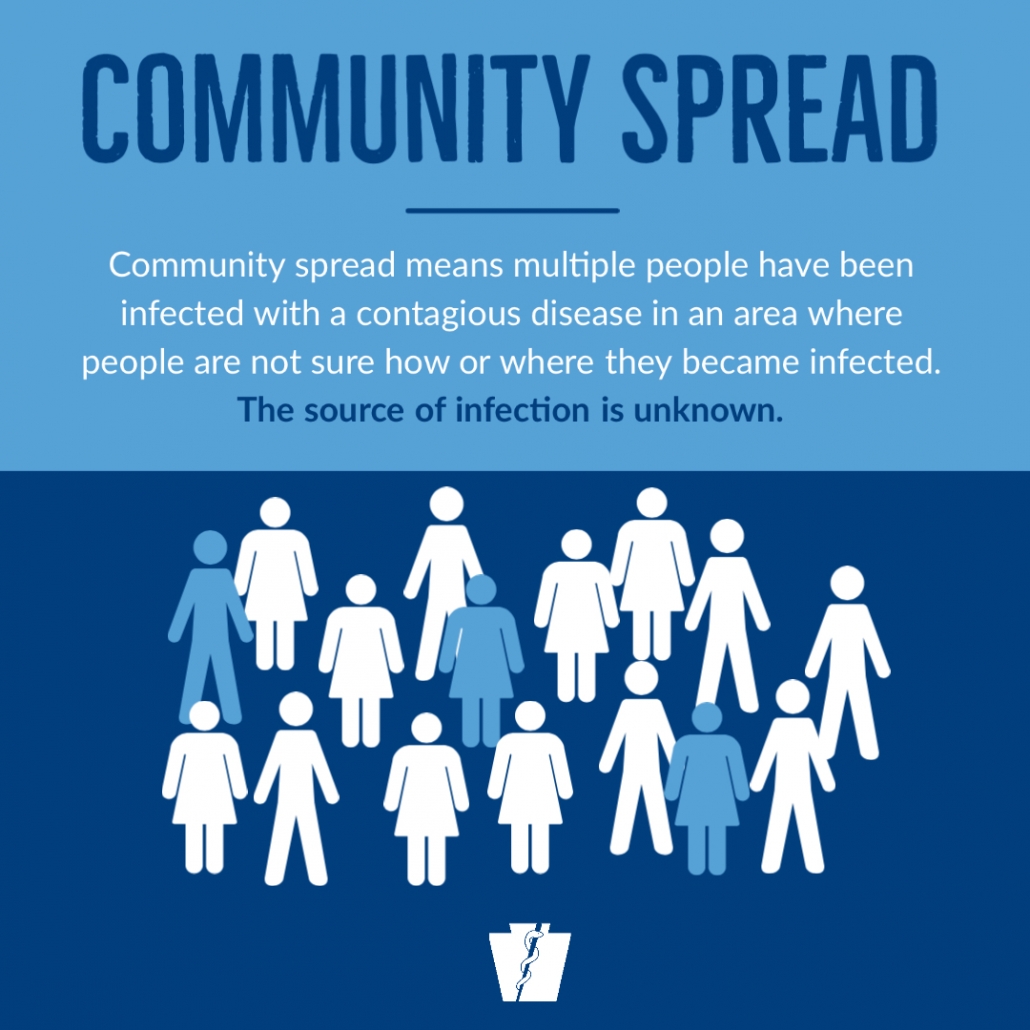
What community spread means

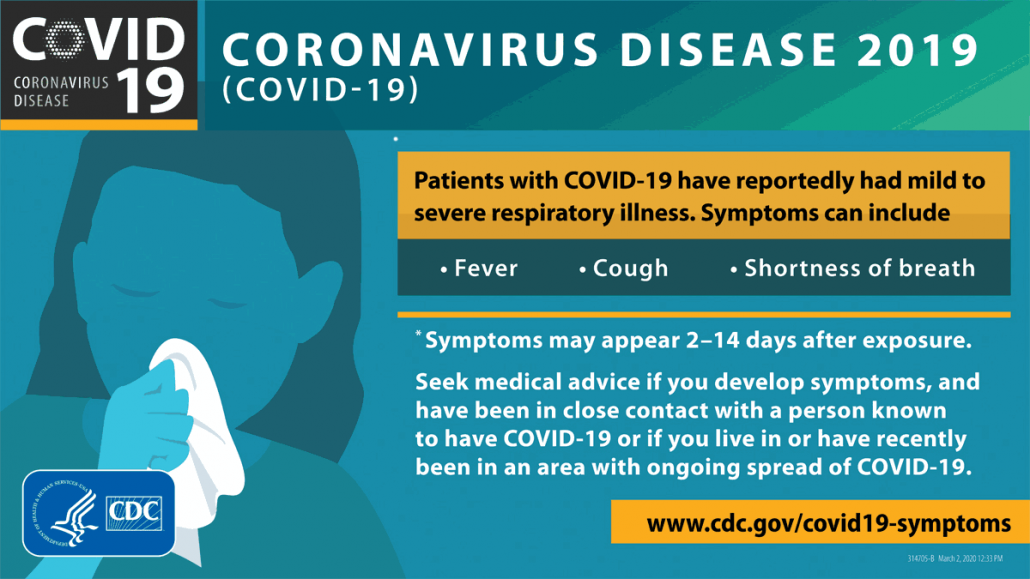
Coronavirus Disease 2019

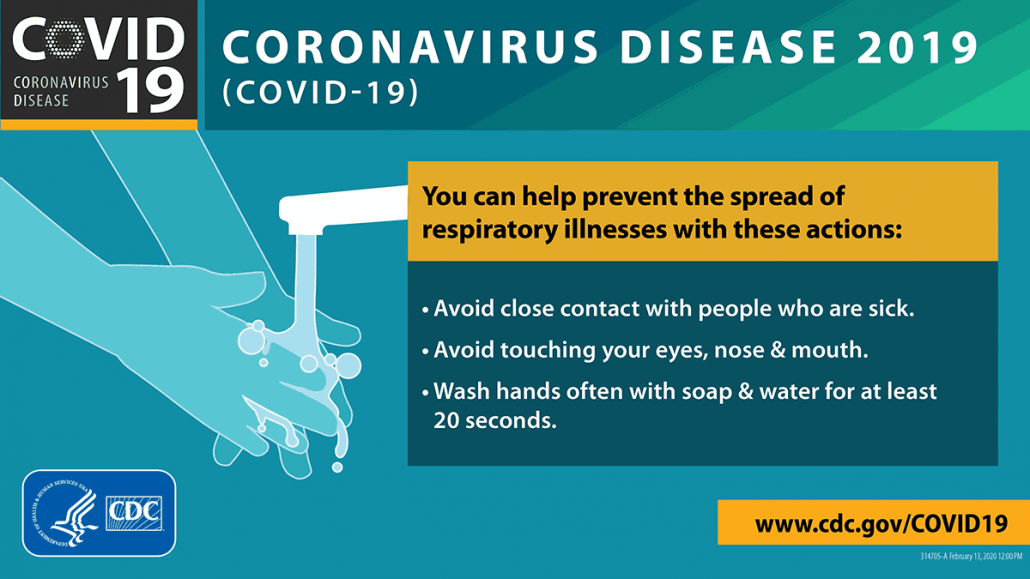
Coronavirus Disease Handwashing

Stop the Spread of COVID-19

hockey-rink-stanley-cup

Robert Frost famously quipped that writing poetry that doesn’t rhyme is like “playing tennis without a net.”

Right now, a different sport without a net is grabbing our attention. Currently, the NHL sports fans are tuned into the NHL All-Star Game where representatives from some of the best teams like the St. Louis Blues and Boston Bruins take to the ice. So, allow me to make a Frost-ian point about nonprofits in a hockey context.

For a nonprofit to operate without having proper policies and procedures in place, is like playing the NHL All-Star Game without a net – and without sticks, skates, helmets, or a puck. Without certain policies in place, a nonprofit simply cannot run properly. Without rules, there can be no expectations. Board members, officers, staff, donors, volunteers, and other stakeholders must work to ensure they’re not skating on thin ice. Give your stars the protection they need, and the tools they require, to be a winning team.

Where to Start?

From working with a wide range of nonprofit clients, I’ve learned that many want proper policies and procedures, but they are simply stymied or confused on where to start. That’s where an attorney well-versed in nonprofit law can come in.

Many nonprofits have to fill out an annual form, IRS Form 990. Form 990 is unique in that it not only asks about financial information but also many of its questions directly ask about policies and procedures. There are at least 10 major polices asked about on Form 990.

Special Offer!

I offer 10 major policies and procedures nonprofits definitely need for a flat fee of $990. This includes consultations and a full review round to make sure the policies and procedures fit the needs and operations of your particular nonprofit. Adopting the policies explained in this guide will ultimately save your nonprofit organization time and resources, and you can feel great about having a set of high-quality documents to guide internal operations, and present to the public.

All Nonprofits Need These 10 Policies

Whether a nonprofit is large or small, new or decades-old, a mission that is narrow or multi-faceted, all nonprofits should have these policies in place. Yes, these policies are asked about on Form 990, but even if a tax-exempt organization is not required to submit a variation of the 990, the benefits are still immense. In general, having policies in place provides a framework and the expectations for an organization’s executives, employees, volunteers, and board members. Such policies can also be referenced if/when issues arise.

Another major reason to have proper policies and procedures in place is that they provide a foundation for soliciting, accepting, and facilitating charitable donations.

Additionally investing in strongly written, organization-specific policies is a practice in preparation in case of an audit. (The IRS audits tax-exempt organizations, just as it audits companies and individuals.

Policy Highlight

Among the major policies and procedures included in my special 10 for 990 offer are the following. (You can download my free guide with more extensive information and explanations regarding these policies and procedures.)

Compensation

Under IRS rules, compensation for nonprofit staff must be “reasonable and not excessive.” The IRS recommends a three-step process for determining appropriate compensation: (1) conduct a review of what similarly-sized peer organizations, (2) in the same or similar geographic location, (3) of comparable positions.

Conflict of Interest

A conflict of interest policy should do two important things: (1) require board members with a conflict (or a potential conflict) to disclose it, and (2) exclude individual board members from voting on matters in which there is a conflict. If consistently adhered to, this policy can inspire internal and external stakeholder confidence in the organization, as well as prevent potential violations of federal and state laws.

Document Retention and Destruction

The document retention policy should specify what types of documents should be retained, how they should be filed, and for what duration. This policy should also outline proper deletion/destruction techniques.

Financial Policies & Procedures

This specifically addresses guidelines for making financial decisions, reporting the financial status of the organization, managing funds, and developing financial goals. The financial management policies and procedures should also outline the budgeting process, investment reporting, what accounts may be maintained by the nonprofit, and when scheduled auditing will take place.

Form 990 Review

Form 990 asks about . . . . Form 990! That’s about as meta as the IRS gets. Specifically, this policy covers how Form 990 was prepared and how it was approved. A written policy is incredibly useful in clarifying a specific process for distribution and procedure review by the board of directors.

Fundraising

This one may seem obvious, but almost every nonprofit needs a fundraising policy, as almost all nonprofits engage in some sort of charitable fundraising. Your organization is no exception! This policy should include provisions for compliance with local, state, and federal laws, as well as the ethical norms the organization chooses to abide by in fundraising efforts.

Gift Acceptance

If well-written and applied across the organization, the policy can help the organization to kindly reject a non-cash gift that can carry extraneous liabilities and obligations the organization is not readily able to manage.

Investment

Before investments are made on behalf of the organization, there should be a sound investment policy in place to define who is accountable for investment decisions. The policy should also offer guidance on activities of growing/protecting the investments, earning interest, and maintain access to cash if necessary.

Public Disclosure

Form 990 specifically asks the filing organization to report if certain documents are made available to the public, such as governing documents (like the bylaws), conflict of interest policy, and financial statements. Additionally, the form asks for the name, address, and phone number of the individual(s) who possesses the financial “books” and records of the organization.

Whistleblower

Nonprofits, along with all corporations, are prohibited by the federal government from retaliating against employees who call out, draw attention to, or “blow the whistle” against the employer’s practices.

Keeping Up-To-Date

If you already have some (or all) of the above-listed policies in place, seriously consider the last time they were updated. How has the organization changed since they were written? Have changes to state and federal laws impacted these policies at all? It may be high time for a new set of policies that fits your organization.

Why 10 For 990

The mission of Gordon Fischer Law Firm is to promote and maximize charitable giving in Iowa, and to that point I want to help every Iowa nonprofit be legally compliant. It’s like how the coach wants to do everything they can to help their team win on the ice. The 10 policies a part of this promotion will save you time, resources, and you can feel good about having a set of high-quality policies to guide internal operations and present to the public.

Again, for now, I’m offering these 10 policies—including needed consultations—for the low flat fee of only $990. Contact me anytime at gordon@gordonfischerlawfirm.com or give me a call at 515-371-6077. I look forward to discussing your tax-exempt organization’s needs and how we can set you up for compliance success.

man stretching at desk

For decades, employers enjoyed very wide latitude in disciplining and firing employees for attendance problems, even if the absenteeism was the result of illness or injury. That latitude has been significantly altered since the passage of the Americans with Disabilities Act (ADA) in 1990. Let’s explore how some of the policy implications of the civil rights law play out in the workplace. Don’t forget the ADA applies to nonprofit employers too, and non-compliance is not an option!

ADA Coverage

The ADA protects only “qualified individuals with a disability.” Disabilities as defined under the ADA can mean either physical or mental impairment that substantially limit one or more major life activities. It can also mean an individual who has a record of such an impairment or is regarded as having such an impairment.


group of people in line

A qualified individual must be able to perform essential functions of the job, with or without reasonable accommodation. What’s a reasonable accommodation? It may include the following (but is certainly not limited to):

  • Making existing employee facilities readily accessible for use by persons with disabilities
  • Modifications to work schedule
  • Job restructuring
  • Appropriate reassignment to a vacant position
  • Acquiring/modifying equipment or devices
  • Adjusting/modifying examinations, training materials, or policies
  • Providing qualified readers or interpreters

Tension Between ADA and Absenteeism

It can be difficult when an employee is absent for a health reason, and co-workers must pick up the slack, or the work simply goes unfinished. But, the employer risks violating the ADA if the company terminates or disciplines such an employee without first considering whether the employee is a “qualified individual with a disability.” If the answer is yes, the employee does fall under the ADA umbrella, then the employer must consider whether they can reasonably accommodate the employee. An employer is required to make a reasonable accommodation to the known disability of a qualified employee, if it would not impose an “undue hardship” on the employer’s operation. Yet another term that sounds ambiguous at its face, undue hardship is defined as an action requiring significant expense or difficulty with regard to things like the structure of its operation, employer’s size, financial resources, and nature of the industry.

Employers are NOT required to make an accommodation if it would mean lowering quality or production standards. (They’re also not required to provide personal items for use, like hearing aids.)

Of course, not all persons with a disability will need the same kinds of accommodation. Some examples relating to absenteeism include:

  • Abe was diagnosed with cancer and will be absent as he undergoes chemotherapy.
  • Betty has a chronic medical impairment in the form of diabetes and will need to attend related medical appointments in regular intervals.
  • Charlie deals with major depressive disorder, and a recent exacerbation of symptoms means he’ll need time to recuperate.
  • Diana will also need time to recover from surgery for her chronic back condition.

Practice Pointers

To control attendance problems without violating the ADA, you should:

  • Evaluate each situation (that is, whether the employee is qualified, disabled, or whether you can provide a reasonable accommodation) on a case-by-case basis while acting as consistently as possible with past practice and in accordance with your attendance policy;
  • Have a written attendance policy that emphasizes the necessity of good attendance, but also provides you with flexibility that you might need to accommodate a qualified individual with a disability;
  • Maintain accurate records of all absences, including a separate and confidential file for any medical certifications or medical information relating to an employee’s absences;
  • Be aware of the interplay between business/nonprofit policies and state and federal laws; and
  • Call your attorney when you have questions about your duties under the ADA. The saying, “An ounce of prevention is worth a pound of cure,” is smart to keep in mind!

Smart Employers Seek Advice

Again, nonprofit employers, remember the ADA applies to you too! The ADA can be a complex law, and it can get even trickier when trying to accommodate appropriately for absenteeism, while balancing business/nonprofit operations. Know you don’t have to navigate it alone. Questions? In need of counsel? Don’t hesitate to contact me.

pen on desk

You’ve probably heard it before on your favorite law show or movie court case, but do you know what “quid pro quo” actually means?

Quid pro quo (“something for something” in Latin) means an exchange of goods or services, where one transfer is contingent upon the other.

Quid pro quo can have different meanings in different areas of the law. For instance, we typically hear this phrase in relation to employment law. So, in the arena of philanthropy and nonprofits, what does quid pro quo mean?

A charitable donation is deductible to the extent the donation exceeds the value of any goods or services received in exchange. So what happens when you donate to your favorite charity and receive something tangible in return? This is the issue of “quid pro quo” in charitable gift law.

giving gift

Quid Pro Quo Example

If a donor gives a charity $100 and receives an opera ticket valued at $40, the donor has made a quid pro quo contribution. In this example, the charitable contribution part of the payment is $60. The donor is entitled to a charitable deduction for $60, but not the entire $100.

Both the donor and donee have a responsibility here. The donor, of course, can only deduct the cost of the donation less the value of the goods/services received. The charitable organization must provide their donors clear, written documentation of the value of donations.

In fact, in these quid pro quo situations, under IRS rules, the nonprofit must provide a written disclosure statement. This required written disclosure statement must both:

• Inform the donor that the amount of the contribution that is deductible for federal income tax purposes is limited to the excess of any money (and the value of any property other than money) contributed by the donor over the value of goods or services provided by the charity.

• Provide the donor with a good faith estimate of the value of the goods or services that the donor received.

Free Consultation

Thinking about making a donation or looking for guidance regarding gift acceptance at your nonprofit, no quid pro quo is required! I offer a free one-hour consultation, with absolutely no obligation. I can always be reached by email at Gordon@gordonfischerlawfirm.com, and by phone at 515-371-6077.

subpoena and pen

The language in which much of the law is written and conducted in can be downright confusing…it’s not called legalese for nothing! Even basic words, like property and trust, can take on varied and more specific meanings than their normal everyday meanings. But other words and phrases are a part of most adult Iowan’s peripheral lexicons if even from watching shows like The Good Wife or the nightly news Certain events or people can also spark an interest in legal-based terminology. For instance, many more people have now heard of the legal term “inclusion rider” thanks to Frances Dormand’s Best Actress acceptance speech at the recent Academy Awards. We’ve seen plenty of headlines featuring the word “subpoena” in the news cycle recently particularly in relation to a former outspoken Trump aide. It’s one of those words you kind of know, or think you may know, but again aren’t for sure. In order to better understand what’s going on with special counsel Robert Mueller’s investigation on Russia’s interference in the 2016 elections, let’s review what the legal term “subpoena” really means and if you can simply ignore it or refuse to cooperate if you want to…looking at you, Sam Nunberg.

What Does Subpoena Mean?

A subpoena is a formal court-ordered command to do something specific. There are two main, different kinds of subpoenas. (Quick phonetics lesson: the “b” is silent and the “poe” makes a long “e” sound.”) We’ll use the former Trump campaign aide (and defendant in a Trump lawsuit) Sam Nunberg as an example throughout.

Subpoena duces tecum

One type, subpoena duces tecum, demands you present a kind of tangible evidence like a physical item or document. For instance, a subpoena could request letters, photographs, emails, audio recordings, video footage, and text messages related to the case. (In fact, as a practical matter, a subpoena duces tecum will generally request all these items).

In the case of Sam Nunberg, the subpoena requested documents and communications dating back to November 2015 with people related to the scope of the investigation such as Donald Trump, former campaign advisor Roger Stone, Trump’s lawyer Michael Cohen, and former chief strategist Steve Bannon, among others. The subpoena was issued by a grand jury. (Grand jury reminder: a prosecutor establishes a grand jury to determine if there is enough probable cause, or evidence, to pursue a criminal case.) Earlier this week, Nunberg said in an interview he “objected to the subpoena because it asks for information about people whom he either never talked to or with whom he had close relationships.” Nunberg also asserted that it wasn’t fair for the investigation to demand his personal communications and that his emails weren’t relevant to the investigation.

subpoena nunberg

An excerpt from Nunberg’s subpoena | The New York Times

Subpoena ad testificandum

The other type of subpoena is ad testificandum, which compels a person to give their oral testimony at a specific time before an authorized legal body, such as a court, congressional/legislative body, grand jury, or government administrative agency. Before such a subpoena is issued, the person or group seeking information will typically first seek testimony on a voluntary basis. (For example, Trump’s White House attorneys have provided the investigation team with voluntary testimony.)

In the two-page subpoena, Nunberg was also requested to appear before a federal grand jury testimony and deliver oral testimony this Friday, March 9.

Subpoenas & Enforcement

Quite literally the word subpoena is derived from the similar Latin term sub poena which means “under penalty.” This makes it pretty obvious that there are penalties involved if you don’t do whatever is requested without a valid reason. If you receive a subpoena and you don’t cooperate with the (presumptively reasonable) request, you could be held in contempt of court and/or hit with time in jail and/or a fine.

Relating this back to our infamous subpoenaed headliner—when Nunberg was asked by MSNBC if he was worried about being arrested for defying the subpoena, he didn’t seemed concerned and said, “I think it would be really, really funny if they wanted to arrest me because I don’t want to spend 80 hours going over emails I had with Steve Bannon and Roger Stone.”

If no proper legal reason was asserted by Nunberg’s attorneys, and he failed to testify in front of the federal grand jury, prosecutors could ask a judge to grant a bench warrant for Nunberg’s arrest.

supreme court building

Can You Refuse a Subpoena at all?

Some scenarios allow you to present a valid legal defense against complying with the subpoena. You can claim the subpoena’s request(s) is overly taxing or too expansive in scope. You could also refuse if the material(s), info, or data requested is eternally lost, or is privileged in nature. (Think attorney-client, executive, or physician-patient privilege.) Another avoidance tactic for a subpoena in criminal cases is asserting it violates your Fifth Amendment right not to incriminate yourself. (This, however, would still require you to show up, you just wouldn’t have to answer questions). Of course, these efforts aren’t always successful, and the subpoena could still be enforced.

In short, Nunberg’s defense of “screw that” without anything to back it up, is not a proper excuse.

In the latest reporting on Nunberg, apparently he’s indicated he will now cooperate with Mueller and comply with the subpoena.

Subpoenas are serious legal documents and always require serious legal advice. It’s important to seek counsel from a trusted attorney if you get served with a subpoena, most especially if you want to deny a subpoena request.

chess board

Applicability of this Knowledge to Nonprofits

You may be thinking, “wow, this is all really interesting, and thanks so much, but what the heck does this have to do with nonprofits?”

It’s true that the mission of Gordon Fischer Law Firm is to promote and maximize charitable giving in Iowa.

Realize that nonprofits can receive subpoenas, too! And they do!

Remember, as was stated earlier, subpoenas can be issued not only by grand juries, but also by government agencies. So, if a disgruntled ex-employee complains, you might receive a subpoena from, say, OSHA, or the Department of Labor, or the Iowa Civil Rights Commission. It’s critically important that if this happens to you, or your fave nonprofit, you understand all the legal rights and responsibilities by contacting appropriate counsel.

Questions? Thoughts? Tell me in the comments section below or contact me via email or phone (515-371-6077).