
January 22, 2026
If your nonprofit holds financial assets—whether as operating reserves, short-term funds, or long-term endowments—having a written Investment Policy is essential for responsible stewardship and sound governance.
What is an Investment Policy?
An Investment Policy is a formal set of guidelines that explains who makes investment decisions, how those decisions are made, and what goals and limits guide investment activity. It provides clarity on acceptable asset types, risk tolerance, reporting expectations, and the procedures your organization uses to manage and monitor investments.
A well-crafted policy should:
-
Align investment activity with your mission and financial needs
-
Define roles and responsibilities for investment decision-making
-
Describe how investments will be selected, monitored, and evaluated
-
Explain risk management, diversification, and liquidity considerations
-
Establish reporting and oversight procedures for leadership and the board
Why It Matters
Here’s why an Investment Policy deserves attention:
1. Protects Your Organization from Poor Decisions
Investing without formal guidelines makes it easy to drift into unsupportable risk or inconsistent practices. A written policy helps safeguard assets and supports thoughtful decision-making.
2. Supports IRS Form 990 Reporting
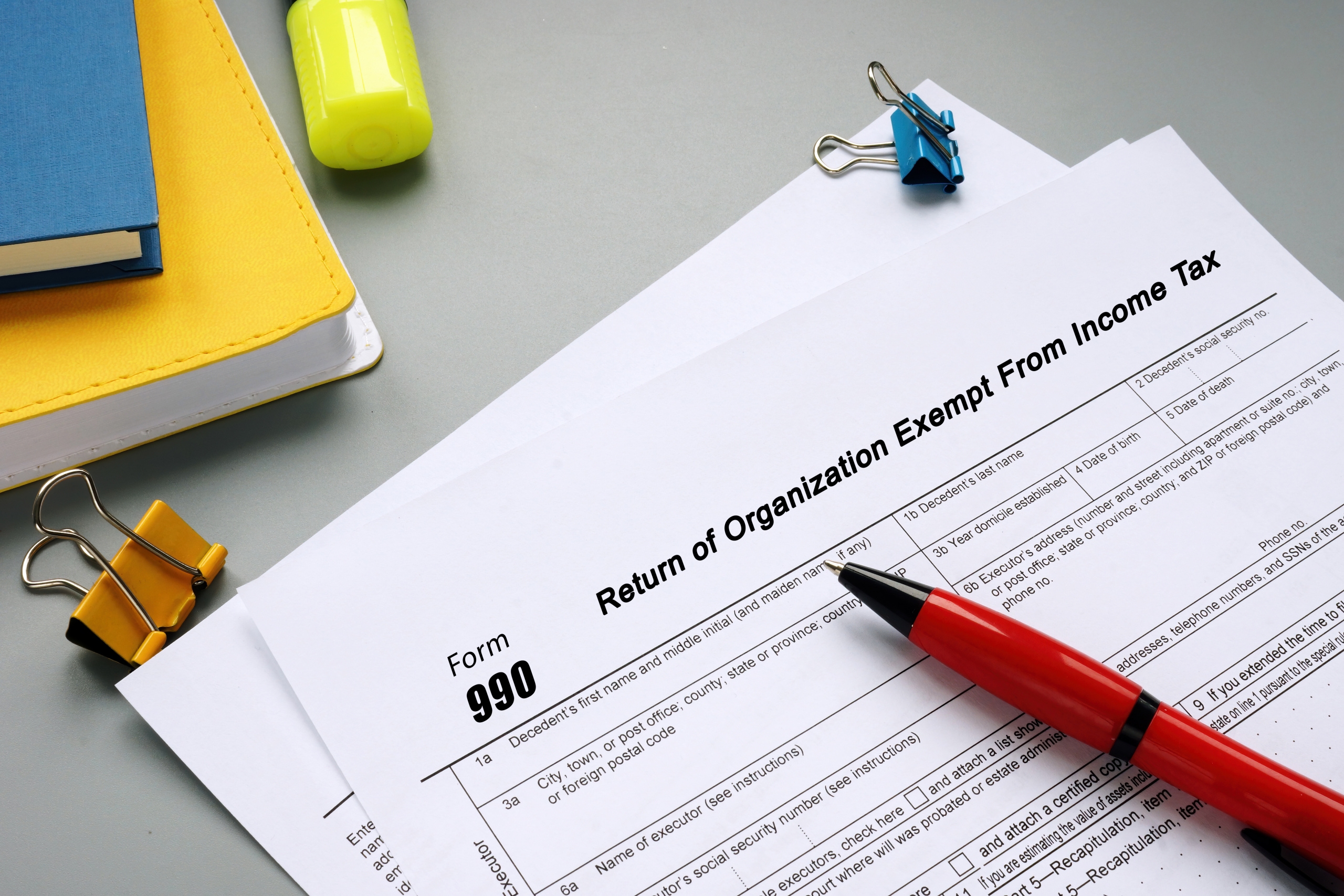
While the IRS doesn’t require an Investment Policy, Form 990 asks detailed questions about investments and oversight. Having a documented policy makes reporting easier and more accurate, reducing stress at filing time.
3. Preserves Endowment and Long-Term Funds
For organizations with endowed funds or long-term financial commitments, a policy helps protect resources meant to last for generations by defining investment goals and risk thresholds.
In other words, funds in which the assets are intended to last in perpetuity and are required to support the organization’s programs and services over the long term.
Who Should Be Involved
A clear Investment Policy assigns responsibility so everyone knows who does what:
-
Board of Directors: Provides oversight, reviews performance, and updates the policy at least quarterly.
-
Finance or Investment Committee: May be formed to support decision-making and supervision.
-
Executive Director/Staff: Can monitor investments and coordinate with outside advisors.
-
Financial Advisor/Manager: Many nonprofits hire professionals to implement strategies consistent with the policy.

Making Smart Investment Decisions
When your organization evaluates investment options, consider:
-
What are your short-, medium-, and long-term financial needs?
-
What level of risk is acceptable?
-
How liquid do assets need to be?
-
How will you measure performance and report results?
Answering these questions in advance—and formalizing them in policy—keeps decision-making consistent and aligned with your mission.
Regular Oversight & Review
Investments and financial markets change over time. That’s why your policy should include a process for regular monitoring and review. In that review, analyze performance measurement, risk assessment, and board evaluation.
Final Thoughts
A strong Investment Policy manages risk and gives confidence to your leadership, clarity to your staff, and credibility to donors and regulators. Thoughtful policy development can strengthen your nonprofit’s financial foundation and support its long-term mission.
Every nonprofit handles resources differently and your Investment Policy should reflect that. The right guidance can help you protect your assets while supporting the mission you care about most.
Curious about next steps? Connect with GFLF for a no-cost consultation.