Posts

January 26, 2026

Before we get into what makes a good Whistleblower Policy, here are four real-life examples of why nonprofits need them:

  1. A long serving bookkeeper notices unexplained reimbursements approved by the executive director but fears reporting them because the director controls her job.
  2. A volunteer becomes aware that restricted donor funds are being used for unrelated expenses but does not know who to tell or whether speaking up could jeopardize their role.
  3. A staff member witnesses repeated harassment by a senior manager and worries that reporting the behavior will quietly end their career at the organization.
  4. A board member learns that required filings have not been made for several years and is concerned about personal liability if the issue is ignored.

In each of these situations, wrongdoing continues not because people are unaware of it, but because they do not feel safe reporting it. A clear Whistleblower and Retaliation Protection Policy is designed to solve exactly this problem.

As a member of a nonprofit organization, wouldn’t you want to know if someone inside the organization was acting illegally, unethically, or contrary to its mission? Nonprofits exist to serve the public good and depend heavily on trust, transparency, and ethical conduct. Yet studies consistently show that reporting drops sharply when organizations lack a clear and credible whistleblower policy.

A well drafted Whistleblower Policy creates a structured, trusted process for raising concerns. It protects individuals who come forward, helps leadership address problems early, and reduces
legal and reputational risk. This blog post explains what a whistleblower policy is, why it matters, who it protects, how it works in practice, and the best practices every nonprofit should consider adopting.

What It Means to “Blow the Whistle”

To “blow the whistle” means to report suspected wrongdoing within an organization. A whistleblower policy establishes formal guidelines for employees, board members, volunteers, and others to follow when they become aware of potential misconduct.

The goal is not punishment. The goal is early detection, accountability, and correction before harm spreads. Effective policies encourage reporting by assuring individuals that they can raise
concerns without fear of retaliation, job loss, or reputational damage. Federal and state laws across the United States reinforce this principle by protecting whistleblowers from retaliation and encouraging internal reporting before problems escalate.

Legal Framework and IRS Expectations

Federal law explicitly protects whistleblowers. Section 1107 of the Sarbanes-Oxley Act, codified at 18 U.S.C. § 1513(e), makes it a federal crime to knowingly retaliate against a person for providing truthful information to law enforcement about a possible federal offense. Penalties can include fines and imprisonment of up to ten years, and the law also prohibits destruction of evidence.

Practically speaking, this means nonprofit leaders must take whistleblower complaints seriously, preserve documents, and avoid any actions that could be perceived as retaliation, even indirectly. Iowa law reinforces these principles. The Iowa Nonprofit Corporation Act, Iowa Code chapter 504, imposes fiduciary duties of care, loyalty, and obedience on directors and officers. When credible concerns about misuse of funds, conflicts of interest, or legal noncompliance are raised and ignored, directors and officers risk breaching those duties. A whistleblower policy provides a documented process for receiving and addressing concerns, which can be critical in demonstrating that leadership acted prudently and in good faith.

Iowa nonprofits should also be mindful that retaliation claims may arise under Iowa common law, Iowa civil rights statutes, and federal employment laws applied in Iowa courts. Even volunteers and independent contractors may assert claims when adverse actions follow protected reporting.

The Internal Revenue Service reinforces these expectations through Form 990. Although a whistleblower policy is not technically mandatory, the IRS asks whether one exists and treats it as a hallmark of good governance. To meet the Form 990 standard, the policy must clearly state that the organization protects individuals who report suspected violations of law or organizational policy in good faith.

Why Whistleblower Policies Are Essential for Nonprofits

Nonprofits rely on public trust, donor confidence, and community credibility. This is especially true in Iowa, where many nonprofits operate in close-knit communities and rely on long-term relationships with donors, volunteers, and local stakeholders. Many Iowa nonprofits advocate publicly for accountability, fairness, and ethical conduct. That mission is undermined if similar misconduct is tolerated internally or handled informally behind closed doors.

A strong whistleblower policy helps Iowa nonprofits:

  • Identify problems early, when they are easier and less costly to fix
  • Reduce the risk of regulatory scrutiny by the IRS, Iowa Attorney General, or Iowa Secretary of State
  • Demonstrate that directors and officers are fulfilling their fiduciary duties under Iowa law
  • Protect staff, volunteers, and board members from retaliation
  • Preserve public trust in smaller communities where reputational harm can spread quickly

Without a clear policy, individuals may stay silent, misconduct may continue unchecked, and organizations may face far greater legal, financial, and reputational consequences later.

Who the Whistleblower Policy Is For

A whistleblower and retaliation protection policy should apply broadly. It should cover:

  • Employees
  • Officers and directors
  • Volunteers
  • Independent contractors
  • Vendors
  • Clients and other stakeholders

Even organizations with no paid staff need whistleblower protection. Volunteers often have direct access to sensitive information and must feel safe raising concerns.

When and Where to Report Misconduct

Concerns should be reported as soon as reasonably possible. Prompt reporting allows the organization to stop ongoing harm, preserve evidence, and respond appropriately. Best practice policies provide multiple reporting channels, such as:

  • A direct supervisor
  • Another manager or officer
  • A designated ethics or compliance contact
  • The board chair or audit committee
  • An external or anonymous reporting mechanism

Multiple options are essential, especially when the concern involves a supervisor or senior leadership.

Covered Wrongdoing

A well drafted policy clearly defines the types of conduct that may be reported, including:

  • Fraud or financial misconduct
  • Theft or misuse of organizational assets
  • Violations of law or regulations
  • Conflicts of interest
  • Discrimination or harassment
  • Violations of confidentiality obligations
  • Unsafe or unhealthy working conditions
  • Abuse of authority
  • Retaliation against whistleblowers

Clear definitions reduce uncertainty and encourage reporting.

Reporting Procedures

Effective policies explain how to report concerns and make the process accessible. Best practices include:

  • Clear written reporting instructions
  • Options for confidential or anonymous reporting
  • Identification of who receives and reviews reports
  • Escalation paths if concerns are not addressed

Good documentation protects both the whistleblower and the organization.

Investigation Procedures

Once a report is received, the organization must act promptly and responsibly. The policy should describe:

  • How investigations are initiated
  • Who conducts them
  • How evidence is collected and preserved
  • Expected timelines
  • How findings are documented and addressed

Investigations should be objective, thorough, and conducted by individuals with appropriate independence and authority.

Confidentiality

Confidentiality is critical to effective whistleblower protection. Policies should commit to maintaining confidentiality to the greatest extent reasonably possible. While absolute confidentiality cannot always be guaranteed, especially if legal proceedings follow, failing to promise confidentiality at all will strongly discourage reporting.

Protection Against Retaliation

The policy must clearly prohibit retaliation. Retaliation includes termination, demotion, harassment, intimidation, reduced hours, or any adverse action taken because someone reported
concerns in good faith. Anyone who retaliates should face discipline, up to and including termination or removal from office or board service.

Good Faith Reporting and False Allegations

Whistleblowers must act in good faith and have reasonable grounds to believe misconduct has occurred. Knowingly false or malicious allegations should result in discipline. Importantly, an allegation that cannot be substantiated does not mean it was made in bad faith.

Disciplinary Action and Outcomes

Policies should outline potential consequences when allegations are substantiated, including corrective action, discipline, or termination. They should also address consequences for retaliation and bad faith reporting.

Training and Communication

This is critical. A whistleblower policy is ineffective if people do not know it exists or how to use it.

For Iowa nonprofits, this section should align closely with other governance disclosures and practices reflected on IRS Form 990, including policies addressing conflicts of interest, document retention and destruction, compensation review, and Form 990 review and approval itself. The IRS looks at governance holistically, not in isolation. Best practices include:

  • Distributing the policy during onboarding
  • Providing periodic training
  • Including the policy in employee handbooks
  • Training investigators on process and confidentiality

Consistent implementation across these policies strengthens credibility if the organization’s governance practices are ever reviewed by the IRS or state regulators.

Support for Whistleblowers

This is equally important. Whistleblowers often experience stress, fear, or emotional strain. Providing access to support resources demonstrates a genuine commitment to ethical culture and
reinforces trust.

Policy Review and Updates

Whistleblower policies should be reviewed periodically and updated to reflect changes in law, organizational structure, and best practices.

Conclusion

A well designed whistleblower and retaliation protection policy is a cornerstone of strong nonprofit governance. It protects individuals, strengthens organizational integrity, and reinforces public trust.

For Iowa nonprofits, whistleblower protection should be viewed alongside other core governance practices reported on IRS Form 990, including conflict of interest policies, document retention policies, compensation approval processes, and board oversight procedures. These policies work together to demonstrate that directors and officers are meeting their fiduciary obligations under Iowa law.

Nonprofits should not treat whistleblower policies as boilerplate or check-the-box documents. They should be tailored to the organization’s structure, actively implemented, and supported by leadership.

I advise Iowa nonprofits on governance, compliance, and risk management. I work with Iowa charities, churches, foundations, associations, and membership organizations to draft, review, and align whistleblower policies with Articles of Incorporation, Bylaws, Form 990 disclosures, and the full suite of IRS-recommended governance policies.

If your Iowa nonprofit needs assistance drafting, reviewing, or updating a whistleblower policy or strengthening its overall Form 990 governance framework, contact me anytime. I offer free consultations. My email is: gordon@gordonfischerlawfirm.com

January 22, 2026

If your nonprofit holds financial assets—whether as operating reserves, short-term funds, or long-term endowments—having a written Investment Policy is essential for responsible stewardship and sound governance.

What is an Investment Policy?

An Investment Policy is a formal set of guidelines that explains who makes investment decisions, how those decisions are made, and what goals and limits guide investment activity. It provides clarity on acceptable asset types, risk tolerance, reporting expectations, and the procedures your organization uses to manage and monitor investments.

A well-crafted policy should:

  • Align investment activity with your mission and financial needs

  • Define roles and responsibilities for investment decision-making

  • Describe how investments will be selected, monitored, and evaluated

  • Explain risk management, diversification, and liquidity considerations

  • Establish reporting and oversight procedures for leadership and the board

Why It Matters

Here’s why an Investment Policy deserves attention:

1. Protects Your Organization from Poor Decisions
Investing without formal guidelines makes it easy to drift into unsupportable risk or inconsistent practices. A written policy helps safeguard assets and supports thoughtful decision-making.

2. Supports IRS Form 990 Reporting
While the IRS doesn’t require an Investment Policy, Form 990 asks detailed questions about investments and oversight. Having a documented policy makes reporting easier and more accurate, reducing stress at filing time.

3. Preserves Endowment and Long-Term Funds
For organizations with endowed funds or long-term financial commitments, a policy helps protect resources meant to last for generations by defining investment goals and risk thresholds.

In other words, funds in which the assets are intended to last in perpetuity and are required to support the organization’s programs and services over the long term.

Who Should Be Involved

A clear Investment Policy assigns responsibility so everyone knows who does what:

  • Board of Directors: Provides oversight, reviews performance, and updates the policy at least quarterly.

  • Finance or Investment Committee: May be formed to support decision-making and supervision.

  • Executive Director/Staff: Can monitor investments and coordinate with outside advisors.

  • Financial Advisor/Manager: Many nonprofits hire professionals to implement strategies consistent with the policy.

board training at wood table

Making Smart Investment Decisions

When your organization evaluates investment options, consider:

  • What are your short-, medium-, and long-term financial needs?

  • What level of risk is acceptable?

  • How liquid do assets need to be?

  • How will you measure performance and report results?

Answering these questions in advance—and formalizing them in policy—keeps decision-making consistent and aligned with your mission.

Regular Oversight & Review

Investments and financial markets change over time. That’s why your policy should include a process for regular monitoring and review. In that review, analyze performance measurement, risk assessment, and board evaluation.

Final Thoughts

A strong Investment Policy manages risk and gives confidence to your leadership, clarity to your staff, and credibility to donors and regulators. Thoughtful policy development can strengthen your nonprofit’s financial foundation and support its long-term mission.

Every nonprofit handles resources differently and your Investment Policy should reflect that. The right guidance can help you protect your assets while supporting the mission you care about most.

Curious about next steps? Connect with GFLF for a no-cost consultation.

January 12, 2026

10 Policies Every Nonprofit Should Have in Place

I. IRS FORM 990

Every nonprofit, every year, must complete and file a version of Form 990, which the IRS calls its “Return of Organization Exempt From Income Tax.” The long version of IRS Form 990 asks about many financial matters, including but not limited to donations, money on hand, non-cash assets, and breakdowns of expenses.

IRS Form 990 goes even further and asks nonprofits if they have in place certain policies. In fact, the IRS asks about ten (10) specific policies on Form 990. The IRS does not mandate adopting these ten (10) policies. The IRS is at the very least signaling what policies nonprofits should have in place. This helps show nonprofits what the IRS considers to be best practices.

II. REASONS AND BENEFITS TO ADOPT THESE TEN (10) POLICIES

One might ask, if these policies are not absolutely required, why should a nonprofit invest the time and effort to adopt them? Without clear and properly enforced governance policies, an Iowa nonprofit may face regulatory scrutiny, potential penalties, and reputational harm that can negatively impact donor confidence and fundraising efforts. Beyond risk management, these ten (10) policies provide substantial and practical benefits for nonprofits, including but not limited to the following:

  • Enhanced confidence among donors and other stakeholders.
  • A consistent framework for sound decision making.
  • Improved compliance with federal and state laws.
  • Reduced risk to the nonprofit and its management and governing board.

The existence of a policy does not, by itself, guarantee compliance. However, having written policies in place establishes expectations and provides guidance for board members, employees, donors, volunteers, and other stakeholders. When issues arise, these policies serve as a clear reference point for addressing concerns in a consistent and responsible manner. Another important reason to adopt these policies is that the IRS audits tax exempt nonprofits. Having appropriate governance policies in place can benefit a nonprofit during an audit by demonstrating a commitment to transparency, accountability, and compliance. In addition, well drafted policies provide a solid foundation for soliciting, accepting, and managing charitable donations.

Finally, Form 990 is publicly available and often reviewed by major donors, foundations, and other stakeholders. When completed thoughtfully, it can serve as a valuable public relations tool that reflects a nonprofit’s commitment to good governance, financial responsibility, and alignment with its mission.

III. WHAT POLICIES ARE WE TALKING ABOUT?

The IRS revised Form 990 in 2008. The old version focused largely on financial data. Now Form 990 reports extensive information on operations such as board governance, fundraising, non-cash assets, and more. Below are the ten (10) policies in alphabetical order.

  1. COMPENSATION

Competitive and fair compensation is just as important for nonprofit employees as it is for employees in the for profit sector. A well written compensation policy establishes objective salary ranges for positions, incorporates updated job descriptions, and outlines performance management and evaluation standards.

A strong compensation policy should also include a statement of compensation philosophy and strategy, explaining how compensation practices support the nonprofit’s mission and values. By setting clear and consistent guidelines, this policy promotes fairness, transparency, and accountability in how employees and executives are compensated.

Panoramic image, Man hand holding piggy bank on wood table. Save money and financial investment

  1. CONFLICT OF INTEREST

A conflict of interest policy serves two essential purposes. First, it requires board members, officers, and key employees to disclose any actual or potential conflicts. Second, it ensures that individuals with a conflict are excluded from voting on matters in which they have a personal or financial interest.

Form 990 defines a conflict of interest as a situation in which a person in a position of authority can benefit financially from a decision, including indirect benefits to family members or closely associated businesses. A clear and well enforced conflict of interest policy helps protect the nonprofit’s integrity, promotes ethical decision making, and reduces the risk of regulatory and legal sanctions by ensuring that conflicts are properly disclosed, evaluated, and managed in a transparent and ethical manner.

  1. DOCUMENT RETENTION AND DESTRUCTION

A document retention and destruction policy explains what types of records should be retained, how they should be stored, and how long they must be kept. It also outlines appropriate methods for the secure destruction of documents that are no longer required. This policy helps ensure that important financial, employment, contract, and governance records are preserved for legal, tax, and regulatory purposes. In addition to supporting compliance, a clear document retention policy helps nonprofits manage storage efficiently, reduce unnecessary record keeping, and respond appropriately if litigation, audits, or government investigations arise.

  1. FINANCIAL POLICIES AND PROCEDURES

Financial policies and procedures guide how a nonprofit manages its finances on a day to day basis. These policies address budgeting, financial reporting, internal controls, account management, and audit practices. They also establish expectations for transparency, accuracy, and responsible stewardship of nonprofit funds. By providing a consistent framework for financial decision making, these policies help protect the organization’s assets, support regulatory compliance, and promote confidence among donors, board members, and other stakeholders.

  1. FORM 990 REVIEW

Form 990 asks whether a complete copy of the return is provided to all members of the governing body before it is filed. A Form 990 review policy outlines how and when the return is distributed to board members and describes the process used to review the information for accuracy and completeness.

This policy encourages accountability and informed oversight by the board of directors. It also helps ensure that leadership understands the information being reported to the IRS and the public, reducing the risk of errors and misunderstandings.

Form 990 Return of Organization Exempt From Income Tax inscription on the sheet.

  1. FUNDRAISING

Almost every nonprofit engages in some form of charitable fundraising. A fundraising policy addresses compliance with local, state, and federal laws, as well as the ethical standards the nonprofit chooses to follow in its fundraising efforts.

This policy should also clarify appropriate practices for both soliciting and receiving donations. By establishing clear guidelines, a fundraising policy promotes transparency, accountability, and donor confidence while helping the nonprofit conduct its fundraising activities responsibly.

  1. GIFT ACCEPTANCE

While related to the fundraising policy, the gift acceptance policy focuses on how a nonprofit evaluates and manages certain types of donated assets. This policy provides clear guidance for board members and staff when considering proposed non-cash donations, including real estate, equipment, or other complex assets.

A well drafted gift acceptance policy also helps a nonprofit identify and decline gifts that may carry unwanted liabilities, restrictions, or ongoing obligations that the organization is not prepared to manage. This protects the nonprofit from financial, legal, and operational risks associated with unsuitable donations.

  1. INVESTMENT

An investment policy defines who is responsible for making investment decisions and how the nonprofit’s assets will be managed, protected, and grown. It also establishes guidelines for risk management, diversification, and maintaining appropriate access to cash when needed.

By outlining both management authority and board oversight, an investment policy helps ensure that financial resources are used prudently and in furtherance of the nonprofit’s mission. It also promotes long term financial stability and responsible stewardship of charitable assets.

  1. PUBLIC DISCLOSURE

A public disclosure policy explains which nonprofit documents must be made available to the public and which may remain internal. Certain records, such as governing documents, financial statements, and Form 990, are often subject to public inspection.

This policy helps ensure compliance with disclosure requirements while allowing the nonprofit to maintain appropriate confidentiality for sensitive internal information. It also supports transparency and public trust.

  1. WHISTLEBLOWER

A whistleblower policy establishes a process for reporting suspected illegal conduct, financial mismanagement, or violations of nonprofit policies. It also protects individuals who report concerns from retaliation.

By encouraging staff and volunteers to raise issues in good faith, this policy helps nonprofits identify and address problems early, promote ethical behavior, and reduce the risk of legal or regulatory violations.

IV. CONCLUSION

With passion leading the way and strong policies guiding your efforts, your nonprofit can operate more effectively, ethically, and confidently. These ten (10) policies help protect, strengthen, and support your organization’s long term success.

Clear and well drafted governance policies provide a framework for responsible decision making, promote transparency and accountability, and help ensure compliance with federal and state law. They also build trust with donors, volunteers, and the communities your nonprofit serves.

If your organization does not yet have these ten (10) policies in place, or if your current policies need to be updated, I can help. I offer customized drafting of all ten (10) policies for Iowa nonprofits.

To learn more, please contact me at gordon@gordonfischerlawfirm.com.

January 6, 2026

The Ultimate Guide to Bylaws for Iowa Nonprofits

Bylaws are one of the most misunderstood documents in the nonprofit world. They are often treated as paperwork to be copied from a template, adopted once, and forgotten. In reality, Bylaws quietly control how power is exercised, how decisions are made, and how conflict is resolved inside a nonprofit organization. Well-drafted Bylaws make governance feel manageable and predictable. Poorly-drafted Bylaws create confusion, gridlock, and risk, often at the worst possible moments. Leadership transitions, internal disputes, audits, grant reviews, or periods of rapid growth are usually when bylaw problems surface.

This guide is designed to help Iowa nonprofits understand what Bylaws are, why they matter, what Iowa law expects, and how to approach them thoughtfully and confidently.

What Bylaws Are

Bylaws are the internal rules that govern how a nonprofit operates day to day. They describe how authority is exercised, how decisions are made, and how leadership functions in practice. In
short, Bylaws explain how the organization runs once it exists. They function as the organization’s operating manual. When questions arise about who has authority, how decisions are approved, or what process must be followed, the Bylaws are the first place to look.

What Bylaws Are Not

Bylaws do not create the nonprofit. That role belongs to the Articles of Incorporation, which establish the organization as a legal entity and are filed with the Iowa Secretary of State. Bylaws are not filed with the state. Instead, they are adopted by the governing body and kept with the organization’s internal records. They are meant to be used, consulted, and relied upon
regularly.

Think of the Articles as defining the organization’s outer legal boundaries. The Bylaws then step inside those boundaries and explain how the organization actually functions.

Iowa Law and Nonprofit Bylaws

Iowa nonprofit corporations are governed by the Revised Iowa Nonprofit Corporation Act, found in Iowa Code Chapter 504. While the statute does not require nonprofits to file their Bylaws with
the state, it assumes that Bylaws exist and that they address core governance fundamentals.

Iowa’s Default Rules and Why They Matter

Iowa law does not provide a detailed checklist of required bylaw provisions. Instead, it sets default rules that apply unless the Bylaws say otherwise. This flexibility is intentional, but it places responsibility on the organization to make deliberate choices.

If Bylaws are silent on an issue, Iowa’s default rules control. Sometimes those defaults are appropriate. Other times, they do not reflect how the board expects to operate or how the organization actually functions.

The Legal Authority for Bylaws

Iowa Code Section 504.206 allows Bylaws to contain any provision for regulating and managing the affairs of a corporation that is not inconsistent with law or the Articles of Incorporation. This
is where most governance decisions are made in practice. Thoughtful Bylaws allow an organization to customize governance while remaining fully compliant with Iowa law.

IRS Expectations and Bylaws

The Internal Revenue Service does not require nonprofits to submit Bylaws when forming a corporation. However, when an organization applies for tax exempt status, any adopted Bylaws
are typically included with the application and may be reviewed. The IRS does not mandate specific bylaw language. Instead, it looks for evidence of sound governance practices that support the organization’s charitable purpose. The questions on Form 1023 reflect these expectations.

Well-drafted Bylaws help demonstrate that a nonprofit is governed responsibly, that authority is properly exercised, and that safeguards exist to prevent private benefit or misuse of charitable
assets.

Business concept meaning Form 1023 Application for Recognition of Exemption Under Section 501(c)(3) of the Internal Revenue Code with inscription on the sheet.

Core Provisions Every Iowa Nonprofit Bylaws Should Address

Bylaws are where governance becomes operational. Some provisions are essential for basic functionality and oversight, while others provide clarity and protection as the organization
grows.

Charitable Purpose and Tax Exempt Limitations

Bylaws often restate the organization’s charitable purpose and include restrictions related to private inurement, political activity, and prohibited conduct. This reinforces alignment with federal tax exempt requirements and keeps governance focused on mission.

Board Authority and Governance Role

Bylaws should clearly establish that the board of directors is responsible for managing and overseeing the nonprofit. This includes policy setting, fiduciary oversight, and strategic direction.

Board Size, Qualifications, and Terms

These provisions define who may serve as a director, how many directors may serve, how long they serve, and how turnover is handled. Clear rules reduce uncertainty and help maintain continuity.

Meetings, Quorum, and Voting

Bylaws establish how and when meetings occur, what constitutes a quorum, how votes are taken, and whether electronic participation is permitted. These rules determine when board action is
valid.

Director Accountability and Removal

Clear procedures for resignation, removal, attendance expectations, and vacancies support effective oversight and provide a roadmap when governance challenges arise.

Officers and Executive Authority

Bylaws should identify officer roles, selection procedures, term lengths, and authority. This helps maintain clarity between governance and management responsibilities.

Committees and Delegation Limits

Committee provisions define what authority may be delegated and what decisions must remain with the full board. This prevents unintended delegation of core responsibilities.

Optional but Strategic Bylaw Provisions

Many nonprofits include additional provisions that add protection, flexibility, and clarity over time. These provisions often address topics such as executive leadership structure, fiduciary standards, compensation and reimbursement safeguards, limitation of liability, indemnification, amendment procedures, and dissolution approval requirements. While optional, these provisions frequently become critical during periods of growth, leadership transition, or conflict.

Board Managed and Member Managed Nonprofits in Iowa

One of the most important and commonly misunderstood aspects of nonprofit governance is whether an organization has members. Most Iowa nonprofits are board managed and do not have statutory members. In these organizations, the board holds ultimate authority.

Some nonprofits intentionally create members with voting rights. This can be appropriate in certain circumstances, but it significantly changes governance dynamics and approval requirements.
A common problem arises when Bylaws unintentionally create members through imprecise language. This can result in unexpected voting rights or approval thresholds the board never intended.
If an organization does not intend to have members, the Bylaws should say so clearly and explicitly.

How Bylaws Fit Into a Healthy Governance System

Bylaws do not stand alone. They exist within a hierarchy of governing documents. The Articles of Incorporation sit at the top. Beneath them are the Bylaws. Supporting both are board adopted policies and procedures. These documents should work together. When they do not, confusion and risk follow. Conflicting provisions can raise questions about authority, validity of actions, and compliance. Strong governance treats Bylaws as part of an integrated system, not as an isolated document.

Common Bylaw Mistakes Iowa Nonprofits Encounter

Many bylaw problems do not stem from a single bad clause. They arise from practical mismatches between written rules and real world operations. Common issues include:

• Using Bylaws copied from another state
• Creating unintended members
• Adopting procedures that do not match actual practice
• Allowing Bylaws to drift out of alignment with Articles
• Layering amendments instead of adopting restated Bylaws

Templates can be a helpful starting point, but they rarely produce Bylaws that truly fit an organization without thoughtful customization.

Adopting, Amending, and Restating Bylaws

Bylaws are typically adopted by the board at the initial organizational meeting. Once adopted, they should be kept with the organization’s records and reviewed periodically.

As organizations evolve, Bylaws often need to be updated. In many cases, adopting restated Bylaws that consolidate all changes into a single clean document is preferable to layering amendments over time. Clear amendment procedures help ensure that changes are deliberate, properly approved, and well documented.

When Iowa Nonprofits Should Consider Updating Their Bylaws

Certain moments often signal that Bylaws deserve attention. These include leadership changes, organizational growth, IRS reinstatement, internal conflict, grantmaker requests, or major structural changes such as mergers or dissolutions. Addressing Bylaws proactively is almost always easier and less costly than fixing problems after
they surface.

Final Thoughts

Bylaws are not busywork. They are a practical tool that supports effective governance, clear decision making, and organizational stability. When drafted thoughtfully, Bylaws reduce uncertainty and help nonprofit leaders focus on mission rather than mechanics. When neglected, they can quietly undermine even the best intentions. I have worked with hundreds of Iowa nonprofits to draft, update, and align Bylaws with how organizations actually operate and where they are headed. If you are creating new Bylaws, revisiting old ones, or simply want clarity about what yours really say, I am always happy to talk.

Good governance is achievable. And it starts with getting the fundamentals right.

Frequently Asked Questions About Iowa Nonprofit Bylaws

Do nonprofit Bylaws have to be filed with the state of Iowa?

No. Bylaws are internal governing documents and are not filed with the Iowa Secretary of State. They should be adopted by the board and kept with the organization’s records.

Are nonprofit Bylaws legally binding?

Yes. Bylaws are binding on the organization and its directors and officers. Boards are expected to follow them, and deviations can create legal and governance risk.

Can a board ignore its Bylaws if everyone agrees?

Generally no. Even unanimous agreement does not override the Bylaws. If a provision no longer works, the proper solution is to amend or restate the Bylaws.

How often should Iowa nonprofits review their Bylaws?

As a best practice, Bylaws should be reviewed periodically, often every two to three years, and whenever there is significant growth, leadership change, or organizational restructuring.

Who has the authority to amend nonprofit Bylaws in Iowa?

In most Iowa nonprofits, the board of directors has authority to amend the Bylaws, unless the Articles of Incorporation or Bylaws reserve that power to members.

What happens if Bylaws conflict with the Articles of Incorporation?

The Articles of Incorporation control. Bylaws that conflict with the Articles or with Iowa law can be unenforceable and should be corrected.

Do small nonprofits really need formal Bylaws?

Yes. Size does not eliminate the need for clear governance rules. In fact, smaller organizations often benefit the most from well drafted Bylaws.

Email Me!

My email is:
gordon@gordonfischerlawfirm.com

####
 

November 24, 2025

My Birthday Gifts to Iowa Nonprofits

(On my 6-1 birthday, I’m giving six gifts.)
Today is my birthday. And instead of receiving something, I want to give something meaningful back. Working with Iowa nonprofits gives me purpose, joy, and mission every single day. I see
organizations feed families, shelter the vulnerable, inspire young people, protect animals, build community, lift the arts, support mental health, strengthen faith and values, fight injustice, and
make generosity visible. This work shapes our state. And it has shaped my life, too. So today, I’m offering six gifts to the missions that serve Iowa with courage, creativity, and compassion.

Six Free Gifts for Iowa Nonprofits

1) Sixty-One Blog Posts

Over the next two months, I’ll be sharing 61 clear, Iowa-specific blog articles answering the nonprofit questions that actually matter: bylaws, board structure, fiduciary duties, conflicts of
interest done right, fundraising laws, gift restrictions, Form 990 governance expectations, required policies, and common mistakes that put missions at risk. Leadership shouldn’t mean guessing. These posts will help you lead with clarity, confidence, and legal compliance.

Free. Practical. No jargon. Written for Iowa.

2) Free Iowa Nonprofit Formation Guide

Starting a nonprofit takes courage. Doing it right takes structure. This step-by-step guide explains formation, governance, legal requirements, and how to build a durable, mission-driven organization from day one.

⬇️ Download: https://mailchi.mp/gordonfischerlawfirm/nonprofitformationguide

3) Policies & Procedures Packet

Missions thrive when guardrails protect them. These templates cover the core IRS Form 990 governance policies every nonprofit should adopt to operate responsibly, ethically, and transparently.

⬇️ Download: https://mailchi.mp/gordonfischerlawfirm/nonprofit-policies-procedures

4) Employee Handbook Template

People power nonprofits. People deserve clarity. If your organization has even one employee, this sample handbook strengthens culture, prevents conflict, defines expectations, and protects your mission from legal risk.

⬇️ Download: https://mailchi.mp/gordonfischerlawfirm/employee-handbook

5) The Ultimate Estate-Planning Checklist

Legacies sustain nonprofits long after a program ends or a building changes hands. This tool helps individuals—and the organizations they love—understand bequests, planned giving, charitable trusts, and estate gifts that outlive us.

⬇️ Download: https://www.gordonfischerlawfirm.com/ultimate-estate-planning-checklist/

6) A Free One-Hour Consultation for Any Iowa Nonprofit

Every Iowa nonprofit is welcome to a free, one-hour consultation with me. Ask about:

  • articles and bylaws
  • policies
  • fundraising rules
  • Form 990 questions
  • board conflicts
  • committees
  • donor restrictions
  • governance gaps
  • …or anything else affecting your organization.

No invoice. No catch. Just help when you need it most.
To schedule, simply email me.

Why These Gifts Matter

  • Strong missions deserve strong governance.
  • Passion shouldn’t be undermined by unclear bylaws, missing policies, or preventable legal risk.
  • Impact shouldn’t be slowed by confusion.
  • Service shouldn’t struggle because of structure.
  • These tools make the work lighter. They protect what is fragile, clarify what is confusing, and strengthen what is already good. Use them. Share them. Build with them. Let them serve the people who serve Iowa.


A Final Promise

If your nonprofit needs clarity, a document reviewed, a question answered, a board helped, or a governance gap identified, please reach out. No pressure. No sales pitch. Just support when it matters. Birthdays are usually about receiving. Today, I’m celebrating by giving back to the organizations that make Iowa stronger, safer, and more hopeful. Happy birthday to me. Here’s to you.

— Gordon

Email Me!

My email is:
gordon@gordonfischerlawfirm.com

####

 

June 25, 2025

25 Things Iowa Nonprofits Should Do in 2025

The nonprofit landscape in Iowa is facing a perfect storm of challenges and changes. Federal and state funding is increasingly uncertain. Proposed laws like the so-called “Big Beautiful Bill” could significantly shift how we operate. Diversity, Equity, and Inclusion (DEI)—a cornerstone for many organizations—is facing public scrutiny. And tax law changes, like adjustments to the standard deduction, are making charitable giving more complex and harder to predict.

So how should Iowa nonprofits respond?

Ensure the rest of 2025 is your organization’s strongest year yet by tackling these 25 actionable steps to stay compliant, mission-focused, and future-ready.

1. File and Review Your Form 990

Each year, tax-exempt organizations must file IRS Form 990—a public document that details your finances, governance, and operations. The IRS uses it to confirm your continued eligibility for tax-exempt status.

Here’s why it matters:

  • File late? You face a $20-per-day penalty.
  • File incorrectly? Still penalized.
  • Miss it for three years in a row? You lose your tax-exempt status and have to start over.

A Form 990 Review Policy helps prevent that. It should explain:

  • How and when the Board reviews the draft,
  • Who prepares and edits it,
  • And how it gets finalized and submitted.

2. Define and Revisit Your Mission

Your mission is your organization’s north star.

2025 To-Do: Revisit it. Is it clear? Is it still relevant? Does it align with your current work? A well-crafted mission builds unity and guides better decision-making.

3. Audit Your Articles of Incorporation

Think of this document as your nonprofit’s legal DNA. It outlines your purpose and structure—and both the IRS and the State of Iowa have specific requirements.

IRS Requirements:

  • Clear Purpose Statement tied to a recognized exempt category (charitable, educational, religious, scientific).
  • Dissolution Clause explaining how assets are distributed if the nonprofit shuts down.
  • Prohibition on Private Inurement (no personal benefit to insiders).
  • Restrictions on Political Activity (no campaigning, limited lobbying).

Iowa Requirements:

  • Unique Name and Registered Agent on file.
  • Purpose Statement aligned with IRS.
  • Member Provisions (declare whether you have voting members or not).
  • Dissolution Plan consistent with state and federal law.

Go Beyond the Basics:

  • List initial directors.
  • Include indemnification clauses.
  • Detail your amendment procedures.

2025 To-Do: Ensure you meet both IRS and Iowa standards—and go further where it makes sense.

4. Update Your Bylaws

If Articles of Incorporation are your constitution, Bylaws are your user manual. They spell out how your nonprofit actually functions day to day.

Make sure your Bylaws address:

  1. Mission & Purpose – Your organizational compass.
  2. Structure – Board roles, terms, officer responsibilities.
  3. Meetings & Quorums – When you meet, how decisions are made.
  4. Financial Oversight – Who controls funds and budgets.
  5. Amendments – A clear process to make future changes.
  6. Indemnification – Legal protection for board members.
  7. Dissolution – A plan for what happens if the organization closes.

2025 Best Practice Policies:

  • Conflicts of Interest
  • Confidentiality
  • Document Retention
  • Fundraising & Gift Acceptance

These policies are specifically referenced in Form 990. Don’t skip them.

Final tips:

  • Review Bylaws annually
  • Share them with all new board members
  • Work with a nonprofit attorney—don’t DIY

5. Enforce a Document Retention Policy

This often-overlooked policy is essential for legal compliance and good governance. It outlines:

  • What to keep (tax returns, board minutes, financials),
  • How long to keep it,
  • And when and how to securely dispose of it.

It should also apply to digital files, social media, and even emails.

Tip: Keep it simple and usable. A policy no one understands—or follows—isn’t helpful.

6. Reevaluate Fundraising Practices

Fundraising is a lifeline—and also a compliance concern. The IRS scrutinizes how nonprofits raise money in Form 990. A fundraising policy ensures:

  • Ethical standards are in place,
  • Donors and the public trust you,
  • And your process is consistent and transparent.

7. Adopt or Refresh Your Gift Acceptance Policy

You’ve heard the phrase: “Don’t look a gift horse in the mouth.” In the nonprofit world? You absolutely should.

Imagine your favorite donor shows up with a racehorse—healthy, fast, and valuable. Do you accept it on the spot?
Of course not. You’d ask:

  • Who will care for it?
  • What are the liabilities?
  • Can we even sell it?
  • What if it draws the wrong kind of attention?

A strong Gift Acceptance Policy will:

  • Prevent costly mistakes or liabilities,
  • Ensure all gifts align with your mission,
  • Clarify who approves and handles unusual gifts.

Pro tip: Post it online to set expectations with donors upfront.

8. Adapt or Update Your Whistleblower Policy

If wrongdoing is happening inside your organization, you want to know and your team needs to feel safe speaking up.

A whistleblower policy should:

  • Cover everyone (employees, volunteers, contractors),
  • Protect those who report issues in good faith,
  • Outline how to report and investigate concerns,
  • Discourage malicious or false reports.

It’s about building a transparent, ethical culture. It’s also explicitly asked about on Form 990.

9. Revamp Your DEI Policy

While it is currently under attack, DEI is still foundational. A meaningful DEI policy:

  • Attracts diverse and talented staff,
  • Builds trust with your community,
  • Drives innovation through varied perspectives.

Ask yourself:

  • Are your values and goals publicly shared?
  • Are you transparent about hiring, pay, and promotions?
  • Are your partners aligned with your DEI commitments?
  • Are you tracking and reporting on progress?

10. Update Your Confidentiality Policy

Nonprofits operate in high-trust environments and a breach of that trust can be devastating.

A strong confidentiality policy should:

  • Define what’s confidential (donor data, internal discussions, personal info),
  • Explain who’s responsible,
  • Detail what happens if the policy is broken.

Confidentiality isn’t about hiding things—it’s about protecting people and building trust.

11. Curate a Specific Social Media Policy

Social media is powerful and potentially risky. Your organization needs a clear Social Media Policy to protect your mission, reputation, and people.

What it does:

  • Sets expectations for tone, content, and professionalism online.
  • Applies to staff, volunteers, board members, and contractors.
  • Helps prevent missteps that could damage your public image.

What to include:

  • Platform coverage – From Instagram to blogs and DMs.
  • Behavior guidelines – Respectful, inclusive language only.
  • Posting rules – Who has access, and how content is approved.
  • Confidentiality – No donor data, private info, or copyrighted material.
  • Personal use – Clarify how personal posts reflect on your org.

Keep this policy updated. Online platforms evolve quickly and so do reputational risks.

12. Examine Your Volunteer Policy

Volunteers are ambassadors of your mission. A Volunteer Policy ensures they’re supported, protected, and aligned. 

What to include:

  • Purpose and mission connection.
  • Role descriptions, time expectations, and training requirements.
  • Code of conduct, confidentiality, and dress code.
  • Contact and emergency information.
  • Legal guidelines: liability, insurance, media releases.
  • Feedback mechanisms to recognize contributions and improve experience.

This policy helps everyone feel valued and keeps your organization legally and ethically sound.

13. Set a Solid Foundation With Your Employee Handbook

Your Employee Handbook is more than an HR formality—it’s your culture codified.

Key contents:

  • Your mission and values.
  • Policies on anti-discrimination, harassment, benefits, time off.
  • Remote work and tech usage.
  • Compliance standards (tax law, fundraising rules, grant expectations).
  • Performance review and training structure.

Must-haves:

  • A disclaimer that it’s not a contract.
  • An acknowledgment form.
  • At-will employment clause.
  • Language reserving the right to change policies.

A great handbook reduces confusion and boosts consistency, especially during growth or transition.

14. Ensure Clarity With Employee Agreements

Unlike handbooks, Employee Agreements are individual contracts. They clarify roles, expectations, and legal protections. They are especially critical for executive or specialized roles.

Include:

  • Names and start date.
  • Job duties, pay, benefits, and review schedule.
  • Termination conditions.
  • Legal protections (non-competes, dispute resolution).
  • Signature lines for all parties.

A solid agreement protects everyone now and during leadership changes.

15. Outline Your Compensation Policy

A Compensation Policy ensures fairness, transparency, and IRS compliance, especially for executive pay.

Why it matters:

  • Boosts staff morale and retention.
  • Reassures donors.
  • Prevents inconsistent or inflated pay practices.

What to include:

  • Who approves salaries.
  • How often compensation is reviewed.
  • How comparability data is used.
  • Rules for executive compensation and conflict-of-interest recusal.
  • Revision procedures.

This policy should align with your budget, values, and public accountability.

16. Protect Your Nonprofit With a Conflict of Interest Policy

A Conflict of Interest (COI) Policy isn’t just best practice—it’s IRS-required.

It prevents:

  • Insider deals
  • Reputational harm
  • Compliance violations

Your policy should cover:

  • Definitions of conflicts
  • Annual and ongoing disclosures
  • Recusal processes
  • Documentation procedures
  • Regular training for board and staff

Transparency builds trust—inside and out.

17. Craft an Investment Policy

If your organization has reserve funds or endowments, an Investment Policy helps you manage them responsibly.

Include:

  • How investments align with your mission.
  • Who makes decisions (board, committee, advisor).
  • Guidelines on risk tolerance, diversification, and returns.
  • When funds can be used.
  • How performance is monitored and disclosed.

Don’t have investment expertise? Bring in a professional and review your strategy annually.

18. Ensure Transparency With a Public Disclosure Policy

Nonprofits are legally required to share:

  • IRS Form 990 and 990-T (last 3 years)
  • IRS determination letter
  • Form 1023 (exemption application)

A Public Disclosure Policy outlines how you’ll comply and what else you’ll proactively share (like Bylaws or Compensation Policy).

Openness builds credibility and reassures funders, partners, and the public.

19. Use Independent Contractor Agreements

Working with freelancers or contractors? A written agreement protects everyone.

Must-haves:

  • Nature of the relationship (not an employee!)
  • Scope of work and deliverables
  • Compensation terms
  • Deadlines and termination terms
  • Confidentiality clauses
  • Liability and insurance provisions

Iowa has strict rules—misclassification can lead to tax, insurance, and even criminal consequences.

20. Solidify Your Financial Policies and Procedures

Financial health = mission success.

Your Finance Policy should cover:

  • Budget creation and approval
  • Spending limits and authorization
  • Cash handling protocols
  • Monthly/quarterly reporting
  • Audit guidelines
  • Investment and reserve use

Review this annually to adapt to growth and challenges.

21. Update Your Personnel Files

No one loves filing—but consistent Personnel File Policies protect your nonprofit.

Include:

  • Job descriptions, performance reviews, background checks, signed agreements
  • Records of promotions or disciplinary actions
  • Retain files for at least 4 years after employment ends

 Do not include:

  • Medical records
  • Informal supervisor notes
  • Investigation reports

 Keep access limited and organized for legal compliance and continuity.

22. Effectively Measure Your Impact

Data tells your story.

Develop metrics that:

  • Measure the effectiveness of your programs
  • Align with your mission
  • Are easy to track, analyze, and share

 Use this data in annual reports, grant proposals, and donor updates to show what you’ve accomplished—and what’s next.

23. Invest in Capacity Building

Growth isn’t just external, it starts inside with staff, tech and more.

Capacity building means investing in:

  • Staff and volunteer training
  • Technology upgrades
  • Process improvements

It enhances your ability to deliver services, adapt to change, and deepen impact.

It’s not overhead—it’s infrastructure for mission success.

24. Update Job Descriptions

Clear roles = empowered leadership.

Roles to define:

  • Board Members – Strategic oversight and governance.
  • Officers – (President, VP, Treasurer, Secretary) handle operations and compliance.
  • Executive Director – Staff leadership, fundraising, DEI, and board collaboration.

 Keep these updated in both your Bylaws and written descriptions—and get legal help where needed.

25. And Always… Celebrate Successes

Finally, don’t forget to celebrate. Mark progress. Honor your team. Share wins with donors and the community.

Whether it’s a major milestone or a mission-aligned moment, celebrating builds morale, momentum, and unity.

Final Thoughts

Iowa nonprofits are resilient. With thoughtful planning, clear policies, and mission-driven leadership, you can survive and thrive in the shifting landscape.

Start where you are. Pick a few priorities. And let 2025 be your most intentional year yet.

Email Me!

My email is:
gordon@gordonfischerlawfirm.com

####

 

June 19, 2025

Honoring Juneteenth: A Time to Reflect, Learn and Act

Gordon Fischer Law Firm would like to wish everyone a happy and reflective Juneteenth, or Freedom Day. 

Understanding Juneteenth

June 19 marks the oldest nationally celebrated remembrance of the end of slavery in the United States. It’s the country’s second independence day. While it became a nationally recognized holiday in 2021, it was celebrated long before that.

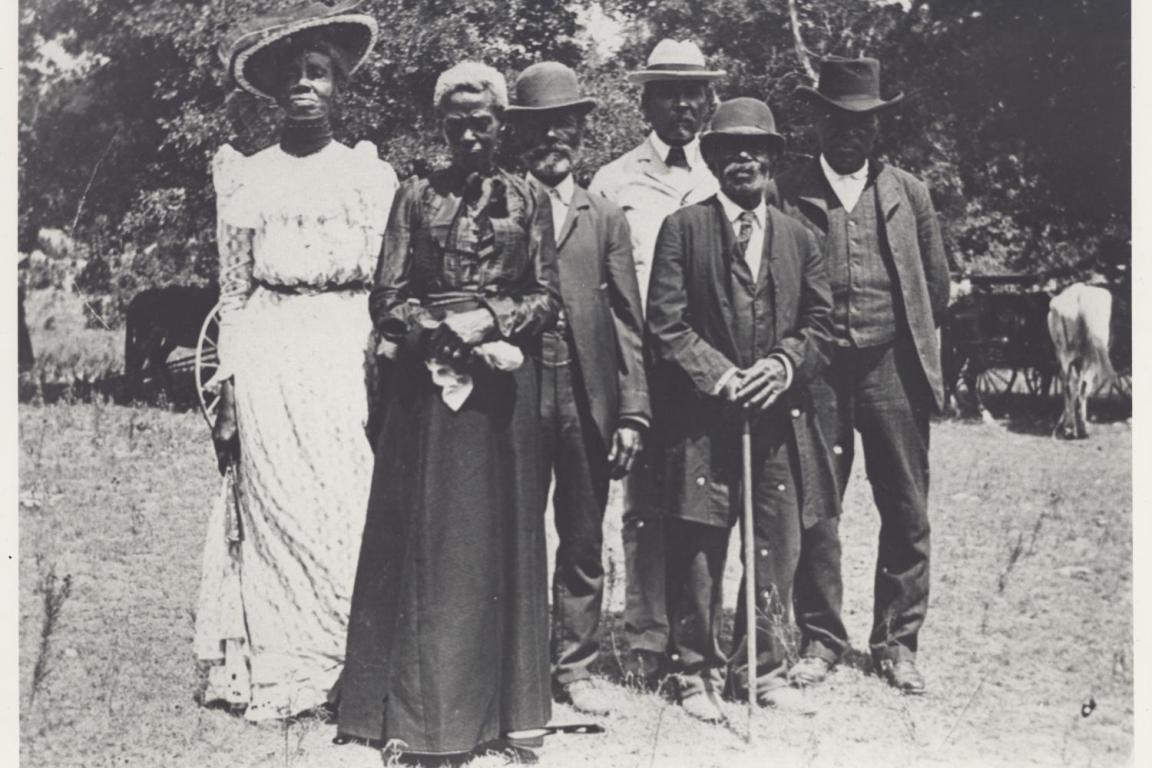
The holiday marks the day in 1865 when roughly 2,000 Union soldiers arrived in Galveston, Texas, and under General Order No. 3, informed the more than 250,000 enslaved black people in the state of their freedom—two and a half years after the Emancipation Proclamation had been signed by President Abraham Lincoln. 

Emancipation Celebration – Texas, 1990. Courtesy: Austin History Center

General Order No. 3 states:

The people of Texas are informed that, in accordance with a proclamation from the Executive of the United States, all slaves are free. This involves an absolute equality of personal rights and rights of property between former masters and slaves, and the connection heretofore existing between them becomes that between employer and hired labor. The freedmen are advised to remain quietly at their present homes and work for wages. They are informed that they will not be allowed to collect at military posts and that they will not be supported in idleness either there or elsewhere.”

Here are a few ways Iowa nonprofits can engage meaningfully with Juneteenth:

  • Educate and Reflect: Encourage your team to learn about the history and meaning of Juneteenth. While reading a book or article is important, it’s not action. Consider hosting a reading group, guest speaker, or community conversation.

  • Support Black-led Organizations: Partner with or donate to local groups led by and for Black Iowans doing work that aligns with your mission.

  • Review Internal Practices: Use this moment to assess equity in your own hiring, board leadership, and service delivery models.

Juneteenth is not just a day off or a commemorative event, it’s an invitation to reflect and take aligned action. As a firm rooted in service and impact, GFLF stands with our clients in advancing justice through their work, every day of the year.

Happy Juneteenth.

Email Me!

My email is:
gordon@gordonfischerlawfirm.com

####



June 17, 2025

Investing in the Future: What Iowa Nonprofits can Learn from Hometown Hero Caitlin Clark

After missing five games, Caitlin Clark is back in action with the Indiana Fever and my Iowa heart is happy! In typical Clark fashion, it was not a quiet return to the court, but a commanding reminder of who she is, even after working through an injury.

Her 32-point, 9-assist, and 8-rebound showing on Saturday reminded all of us in Iowa (and across the country) of the power of resilience. Iowa nonprofits—and particularly their boards of directors and officers—should approach financial stewardship with the same mindset. One crucial tool in doing so is a strong, clearly articulated Investment Policy.

Planning Before the Pressure

Just like Clark didn’t wait until tip-off to prepare for her return, your nonprofit shouldn’t wait until a financial crisis to get serious about investment oversight. Clark’s head coach, Stephanie White, also emphasized the importance of taking a “long-game approach” to address the injury to prevent lingering issues throughout the season.

Nonprofit officers and directors hold a fiduciary responsibility to steward assets wisely. Part of fulfilling that duty means knowing how exactly your nonprofit’s funds are invested. That’s where your Investment Policy comes in.

Think of it as your organization’s recovery and resilience strategy: it defines who is accountable for investment decisions, offers guidelines to grow and protect assets, and ensures you have access to liquidity when it’s needed most.

The C.L.A.R.K. Principles

Here are key elements of a nonprofit Investment Policy. Each one echoes the same principles Clark demonstrated in her return, aka, the C.L.A.R.K. Principles of Nonprofits:

Clarity in Roles = Everyone Knows the Play

Who makes the decisions? The Investment Policy should clearly authorize certain staff to make day-to-day investment choices, while preserving board oversight. Like a coach assigning positions, this clarity helps avoid confusion when quick action is needed.

Liquidity Matters = Expecting the Full Court Press

A great team knows how to respond under pressure. Likewise, your organization should always be ready to access cash when needed. Your Investment Policy should address liquidity—ensuring that funds are available for operational needs, emergencies, or strategic opportunities without disrupting long-term investments.

Alignment with Mission = Playing the Right Game

Every decision should serve a purpose. Your investments should support your nonprofit’s mission and values. The Investment Policy should align financial goals with your organization’s purpose, outlining strategies that reflect your risk tolerance and ethical considerations.

Risk and Return = Balanced Play

Clark doesn’t win by scoring alone—she balances offense with solid defense. Similarly, your Investment Policy should carefully weigh risk against potential return. Striking the right balance through diversification, asset allocation, and loss prevention strategies helps protect your nonprofit’s assets while still pursuing meaningful growth.

Knowledgeable Support = Build a Strong Bench

If you work with a financial advisor or investment manager, the Policy should outline their role and responsibilities. This ensures everyone’s playing from the same page and upholding fiduciary standards.

Caution over Convenience

The IRS Form 990 doesn’t require an Investment Policy, but it makes clear that investment oversight is essential. Without a defined policy, your organization risks falling behind when it matters most.

Clark’s comeback wasn’t just about her personal grit, it was about preparation, guidance, and knowing her role in the bigger picture. Clark and the Fever staff knew it would disappoint fans to miss multiple games, but with eyes on a playoff run, they knew they had to invest in the team’s future success.

Your nonprofit deserves the same foundation: a forward-looking plan that helps you weather challenges and keep driving toward your mission.

Whether your nonprofit is bouncing back from a tough year or simply planning for a stronger future, a well-crafted Investment Policy is a cornerstone of organizational health. It turns uncertainty into strategy and risk into opportunity.

At Gordon Fischer Law Firm, we help Iowa nonprofits craft Investment Policies that stand up to scrutiny and support your long-term mission!

Email Me!

Questions about Investment Policies? Email me now!

My email is:
gordon@gordonfischerlawfirm.com

####



March 21, 2025

Happy Birthday, Pocahontas!

Legend tells us that on this date (March 21), Pocahontas was born. The exact year is unknown but is estimated to be around 1595 or 1596. She is believed to have been born in the vicinity of the present-day Gloucester County Courthouse in Virginia.

Pocahontas: Living Symbol of Love and Peace

For 400+ years, the true story of this remarkable woman was shrouded in mystery, clouded by myths, and told mainly from the point of view of the English colonists.

Fortunately, Pocahontas’s true story has finally been revealed in her definitive biography: The True Story of Pocahontas – The Other Side of History.

The book states directly that the life of Pocahontas is first and foremost a great love story.

“The love that was the moving force within Pocahontas’s life was the spiritual bond and filial affection between Pocahontas and her father, [the] Chief, and the love they [both] had for the Powhatan people.”

Pocahontas’s father was the paramount chief of the Powhatan nation. Pocahontas, for many reasons well-explained in the book, was the very favorite child of the Chief. Even the English colonists were able to figure this out!

Pocahontas, held in such high regard, accompanied her elders when delivery of food and implements were made to the settlers. Her father wanted to put a young girl in a prominent position such that the English would know the Native Americans came in peace, only to help.

Unfortunately, the love and peace that Pocahontas shared was not enough to halt the perhaps inevitable conflict between the colonists and her Powhatan nation. I don’t need to inform readers about the disastrous results for Native Americans. Sometimes conflicts roar out of control.

Nonprofits and Conflict

Obviously nonprofits have far, far less at stake than conflicts occurring in colonial America. Nonetheless, conflicts still happen. To successfully continue their important work, nonprofits must manage conflicts in a positive, professional, and strategically smart manner.

The general term “conflicts” includes the more specific “conflict of interest.” Moving from the 1600s to modern day, our increasingly complex and interconnected world means more conflicts of interest and more potential conflicts of interest.

I have repeatedly written that all Iowa nonprofits should adopt the ten (10) polices which are referenced on IRS Form 990. All ten (10) policies are critically important. But if I was forced to pick just one single policy, a Conflict of Interest Policy might be the most necessary policy for a nonprofit to adopt.

Conflict of Interest Defined

A conflict of interest is present when an individual or entity has competing interests that could influence actions or decisions. Often this results in compromised judgment or lack of objectivity.

Conflicts of interest can lead to ethical dilemmas, biased decisions, or outright breaches of trust. While they can’t always be completely avoided, there are proper handling procedures that can significantly mitigate risks.

Common Examples of Conflicts of Interest

A common example of a conflict of interest, frequently given, is that of an Officer or Director who has a financial stake in a company that the nonprofit is considering for a contract. A similar issue would exist if an Officer or Director had a spouse with a financial stake in a company that the nonprofit is considering for a contract.

Other examples:

An employee works part-time at a nonprofit resale shop and works full-time as a realtor, which includes staging homes. If the employee were to buy furniture from the resale shop at a discount to use for staging in the realtor business, that is a clear conflict of interest.

A conflict of interest can also occur when an Officer for a nonprofit outright violates trust. Imagine, for example, the Treasurer of a nonprofit who owns an antique shop. The nonprofit owns antique desks and antique lamps. If the Treasurer sells the desks and lamps, and makes a commission on the sale, that is most definitely a conflict of interest.

Conflicts of interest can occur in the political realm, too. If a nonprofit organization contributed money to a public official in exchange for the public official agreeing to pass legislation that would benefit the nonprofit, that would also be a major conflict of interest.

What IS a Conflict of Interest Policy, Anyway?

A Conflict of Interest Policy provides a formal set of guidelines and procedures to identify, disclose, manage, and mitigate conflicts of interest. In sum, the Policy should accomplish two major goals:

  1. Require Officers and Directors to disclose any existing or potential conflicts of interest.
  2. Set forth specific procedures for handling conflicts of interest.

The Policy should define what is considered a conflict of interest and strongly encourage individuals and entities to disclose potential conflicts. The Policy should also contain procedures for the nonprofit’s governing Board to evaluate the significance of the conflict.

Once conflicts are defined, disclosed, and evaluated, the Policy should provide mitigation strategies. Often, these will be safeguards to prevent bias and encourage recusal from decision- making. For example, mitigation might mean asking a Director with a conflict of interest to leave the meeting during discussion of the issue and also to refrain from voting on said issue.

Why Does a Nonprofit Need a Conflict of Interest Policy?

Nonprofits have a commitment to serving the public good, relying on community trust and support. This makes the implementation of a Conflict of Interest Policy imperative for several reasons:

Mitigating Bias

Clear guidelines for handling conflicts of interest reduces the risk of biased decision-making that may compromise the nonprofit’s work or even its very mission.

Protecting Stakeholders’ Interests

Such a policy helps Directors, Officers, agents, advisors, consultants, contractors, donors, employees, and volunteers, and other all stakeholders, have confidence that all decisions are made in the best interest of the nonprofits.

Legal and Regulatory Compliance

Transactions can be detrimental to a nonprofit if they breach laws or regulations. A policy can help a nonprofit navigate known conflicts of interest before they bring harm to the organization.

Enhancing Internal Accountability

A Conflict of Interest Policy promotes accountability within the organization, which further ensures stakeholders they can trust the nonprofit to make objective and impartial decisions.

Forbidding Retaliation

the Policy must prohibit retaliation against individuals who report conflicts in good faith, promoting transparency and accountability.

When to Adopt a Conflict of Interest Policy

Conflicts of interest can arise at any time and could even already exist during the formation process. Ideally, a Conflict of Interest Policy, along with other key policies, should be established during initial stages. This ensures proper governance practices are in place from the outset.

If the Conflict of Policy is already in place, it should be periodically reviewed. (I would say at least annually). During review, Officers and Directors need to consider possible revisions to account for internal or external changes.

As nonprofits grow and engage with more stakeholders, the potential for conflicts of interest increases. Therefore, having a clear policy in place as soon as possible helps establish ethical conduct within the organization and prepare for conflicts before and as they arise.

How to Adopt a Conflict of Interest Policy

The general steps you should take when adopting or revising a Conflict of Interest Policy:

  1. Assessment and Review: Evaluate the organization’s structure, operations, and areas where conflicts of interest could arise.
  2. Research and Development: Research existing policies and best practices relevant to the nonprofit sector, while also considering the nonprofit’s unique circumstances. There is lots of information out there about nonprofits, conflicts, and policies and procedures; this is an area where “Doctor Google” can really help.
  3. Drafting or Revision: With the information gathered from the assessment, review, research, and development, consult with a lawyer qualified to draft a Policy. Be sure to explain your nonprofit’s unique features and challenges.
  4. Approval: After legal approval, consider having a committee (perhaps the Executive Committee?) carefully review the Policy. Should any questions or concerns arise, go back to legal counsel. Ultimately, the Conflict of Interest Policy should be given to the full Board of Directors for their thorough review. At a meeting of the full Board, a presentation should be given which considers each of the elements of the Policy and the Policy’s overall importance. Be sure to allow plenty of time for education, discussion,
    and debate. The vote should be unanimous.
  5. Implementation: Communicate the adopted or revised policy to staff, donors, and the public. Include guidance on how the policy will be implemented.
  6. Documentation: Maintain records of conflicts disclosed, actions taken to address them, and any related decisions or actions. Be sure that documents are retained (or destroyed) pursuant to the Document Retention and
  7. Monitoring: Establish procedures for ongoing monitoring and evaluation of the policy.


Who Should Have a Conflict of Interest Policy?

Every organization should have a Conflict of Interest Policy.

Conflicts of interest can surface at any time, within any organization. A proper policy is essential for promoting transparency, integrity, and ethical conduct in decision-making processes. All organizations, from small local nonprofits to multinational organizations, should establish and adhere to a Conflict of Interest Policy to safeguard against conflicts that could compromise their mission.

Email Me!

If your organization is interested in drafting (or revisiting!) its Conflict of Interest Policy, don’t hesitate to reach out today to Gordon Fischer Law Firm.

For the month of March, I’m offering a special to Iowa nonprofits. I will draft, revise, and edit, specific to the unique mission of your nonprofit, the ten (10) policies expressly referenced by the IRS on Form 990.

Questions about the ten (10) policies referenced on IRS Form 990? Email me now!

My email is:
gordon@gordonfischerlawfirm.com

####

March 4, 2025

I. INTRODUCTION

The date that is also a command: MARCH FOURTH! Your fave Iowa Nonprofit MUST Adopt these Ten (10) “must-have” polices.

II. IRS FORM 990

Every nonprofit, every year, must complete and file a version of Form 990, which the IRS calls its “Return of Organization Exempt From Income Tax.” The “long” version of Form 990 asks about many financial matters – donations, money on hand, non-cash assets, breakdown of expenses, and so on.

Form 990 goes even further, however, and asks nonprofits if they have certain policies in place. In fact, there are ten (10) specific policies that the IRS asks about on Form 990.

To be clear, the IRS does not mandate adopting these ten (10) policies. But the IRS, at least to me, is signaling what policies nonprofits should have in place. Again, my read of Form 990 is that the IRS is showing nonprofits what it considers to be “best practices.”

III. REASONS FOR THESE TEN (10) POLICIES AND THEIR BENEFITS

One might ask, if these policies are not absolutely required, why have them? These ten (10) policies provide substantial benefits, including but hardly limited to:

  • Enhanced confidence of donors and other stakeholders
  • Consistent framework for decision making
  • Increased compliance with federal, state, and local laws
  • Reduced risk to the nonprofit and its management and governing board

The existence of policies doesn’t mean compliance is always assured of course, but having policies in place provides a framework and sets expectations for a nonprofit’s Officers, Directors, donors, employees, volunteers, and other stakeholders. Such policies can be referenced if (when) issues arise.

Another major reason to invest in adopting these policies is because the IRS audits tax-exempt nonprofits, just as it audits companies and individuals. Having certain policies in place will only serve to benefit the nonprofit should it happen to be audited. Also, proper policies provide a foundation for soliciting, accepting, and facilitating charitable donations.

Last, but not least, Form 990 is made accessible to the public, meaning it can be used as a public relations tool if filled out diligently. Major donors can and often do review a nonprofit’s Form 990 to ensure the nonprofit is compliant, putting charitable donations to good use, and continuing to operate in alignment with its overall mission.

IV. WHAT POLICIES ARE WE TALKING ABOUT?

Let’s cover all ten (10) policies the IRS asks nonprofits to report on in its Form 990.

I’ll discuss each policy in alphabetical order.

1. COMPENSATION

Data related to compensation is reported in multiple sections on Form 990: Part I, Part VI, Part VII, Part IX, and Schedule J.

Competitive compensation is equally crucial for nonprofits as it is for for-profits. Not only does a Compensation Policy establish salary ranges, but it also outlines updated job descriptions, relevant salary administration, and performance management to establish equality and equity in the nonprofit’s compensation practices.

Additionally, a Compensation Policy should include a statement outlining the organization’s philosophy and strategy regarding compensation. This statement clarifies to both current and prospective employees, as well as Officers, Directors, donors, and other stakeholders, how the compensation structure aligns with and supports the nonprofit’s mission.

2. CONFLICT OF INTEREST

Found on Form 990 Part VI, Section B, Line 12 a-c.

A Conflict of Interest Policy serves two crucial purposes. Initially, it mandates that Officers and Directors disclose any conflicts or potential conflicts they may have. Subsequently, it prohibits individual Officers and Directors from participating in votes related to matters in which a conflict exists.

Form 990 inquires about the existence of a Conflict of Interest Policy and questions how the nonprofit determines and manages Officers and Directors who have an actual or perceived conflict of interest. This Policy is of considerable importance, as inadequately and unethically managed conflicts of interest can lead to sanctions against both the nonprofit and the individual(s) involved with the conflict(s).

3. DOCUMENT RETENTION AND DESTRUCTION

Found on Form 990 Part VI, Section B, Line 14.

The Document Retention and Destruction Policy (sometimes called “DRD Policy”) is like sanctioned spring cleaning. It clearly defines what is no longer needed and when.

A well drafted DRD Policy clarifies four (4) practices related to the handling of documents:

  • What types should be retained;
  • How they should be filed;
  • For what duration; and
  • Deletion and destruction techniques.

Such a Policy is very useful for ensuring important documents such as financial information, employment records, contracts, etc. are stored properly for the standard period of time as may be needed for tax, business, and other regulatory purposes. No doubt, a proper DRD Policy is incredibly important for both ease of operation and should litigation or governmental investigation arise.

4. FINANCIAL POLICIES AND PROCEDURES

While Form 990 doesn’t make a specific ask about a nonprofit’s financial policies, they are equally valuable. A Financial Policy guides a nonprofit in the organization, collection, and reporting of financial data.

Different than the Investment Policy (as discussed below), financial policies specifically address guidelines for making financial decisions, reporting the financial status of the nonprofit, managing funds, and developing financial goals. The financial management policies and procedures should also outline the budgeting process, investment reporting, what accounts may be maintained by the nonprofit, and when scheduled auditing will take place.

5. FORM 990 REVIEW

Found on Form 990 Part VI, Section B, Line 11.

Form 990 asks the following questions:

Has the organization provided a complete copy of this Form 990 to all members of its governing body before filing the form? Describe in Schedule O the process, if any, used by the organization to review this Form 990.

In posing these questions, the IRS is indicating that careful distribution and review of Form 990 prior to filing is highly advisable. This Policy proves highly beneficial in outlining the specific procedures for distribution and review by the governing body, such as the Board of Directors. It also acts as a reminder to nonprofit leaders that Form 990 is coming due!

6. FUNDRAISING

The topic of fundraising gets substantial attention on Form 990; fundraising income and expenses are asked about in Part I, Part IV, Part VIII, Part IX, and Schedules G and M.

Any nonprofit that conducts some type of charitable fundraising, which is most, needs a Fundraising Policy. This Policy should include provisions for compliance with local, state, and federal laws, as well as the ethical norms the nonprofit chooses to abide by in fundraising efforts. Remember that fundraising encompasses not only the solicitation of donations, but also the receipt of donations.

7. GIFT ACCEPTANCE

Gifts and contributions are referenced many times on Form 990: Part I, Part IV, Part V, Part VIII, Part IX, and Schedule M.

Don’t mistake the Gift Acceptance Policy with the Fundraising Policy. While related, they are completely separate, and both necessary. A well written Gift Acceptance Policy provides written direction on evaluating proposed non-cash donations. This Policy should also grant some much-needed guidance for kindly rejecting donations that can carry extraneous liabilities an obligations the nonprofit is not readily able to manage.

8. INVESTMENT

One way Officers and Directors may fulfill their fiduciary responsibilities to the nonprofit is through investing assets to further the nonprofit’s goals. As you can imagine, before investing, the nonprofit should have an Investment Policy in place to define who is accountable for the investment decisions. Additionally, this Policy should offer guidance on activities of growing/protecting the investments, earning interest, and maintaining access to cash if necessary.

A nonprofit’s Investment Policy should be written to give management personnel the authority to make investment decisions, as well as preserve the governing authority’s oversight ability. Beyond the specifics of investments, this Policy can also govern financial management decisions regarding situations like accepting charitable gifts of securities.

If a professional financial advisor or investment manager is hired to implement investments and offer advice, this person’s role can be accounted for in the Investment Policy as well. Form 990 does not ask if a nonprofit has a specific Investment Policy, but it does refer to investments in multiple places throughout the form, and the need for a defined policy is clear.

9. PUBLIC DISCLOSURE

Found on Form 990 Part VI, Section C, Lines 18-20.

Speaking broadly, nonprofits exist to serve the public in some way or another, and some nonprofit documents must be made available to the public upon request. Other documents can be kept entirely internal. This Policy should overview both what documents the nonprofit must disclose and also to what extent other non-required documents and information will be shared.

Form 990 specifically asks the filing nonprofit to report if certain documents are made available to the public, such as governing documents (like the bylaws), financial statements, and the Conflict of Interest Policy. Additionally, Form 990 asks for the name, address, and phone number of the individual(s) who possesses the financial “books” and records of the nonprofit.

10. WHISTLEBLOWER

Found on Form 990 Part VI, Section B, Line 13. 

All organizations, including nonprofits, are prohibited from retaliating against employees who “blow the whistle” against employer practices. A Whistleblower Policy will help protect a nonprofit from state and federal law violation and will encourage timely investigation and solutions to complaints. Overall, the Policy should set a process for complaints to be addressed and include protection for the whistleblower(s).

A Whistleblower Policy also serves as encouragement for staff, volunteers, and other stakeholders to come forward with credible information on illegal practices or violations of the nonprofit’s policies. It does this by specifying that the nonprofit will protect the individual from retaliation, and identifies those Officers, Directors, employees, or outside parties to whom such information can be reported.


If your organization is interested in adopting (or revisiting!) these ten (10) must-have policies, please don’t hesitate to reach out to Gordon Fischer Law Firm.

For the month of March, I’m offering a special to Iowa nonprofits. I will draft, revise, and edit the ten (10) policies expressly referenced by the IRS on Form 990 specific to the unique mission of your nonprofit.

My email is:
gordon@gordonfischerlawfirm.com

####