February 6, 2026
Why Every Nonprofit Needs a Clear Document Retention Policy
Strong nonprofits are built on strong systems. One of the most important — and often overlooked — systems is a Document Retention Policy.
Managing information may not feel urgent compared to fundraising or programming, but it is foundational. A thoughtful Document Retention Policy protects your nonprofit’s legal compliance, operational efficiency, and long-term stability.
A solid Document Retention Policy doesn’t just organize your files — it strengthens your nonprofit’s efficiency, privacy protections, and legal compliance.
What a Document Retention Policy Does
At its core, a Document Retention Policy creates clarity and consistency.
It establishes:
-
What types of records your nonprofit keeps
-
How long each category of record is retained
-
How documents are labeled and stored
-
How and when records are securely destroyed
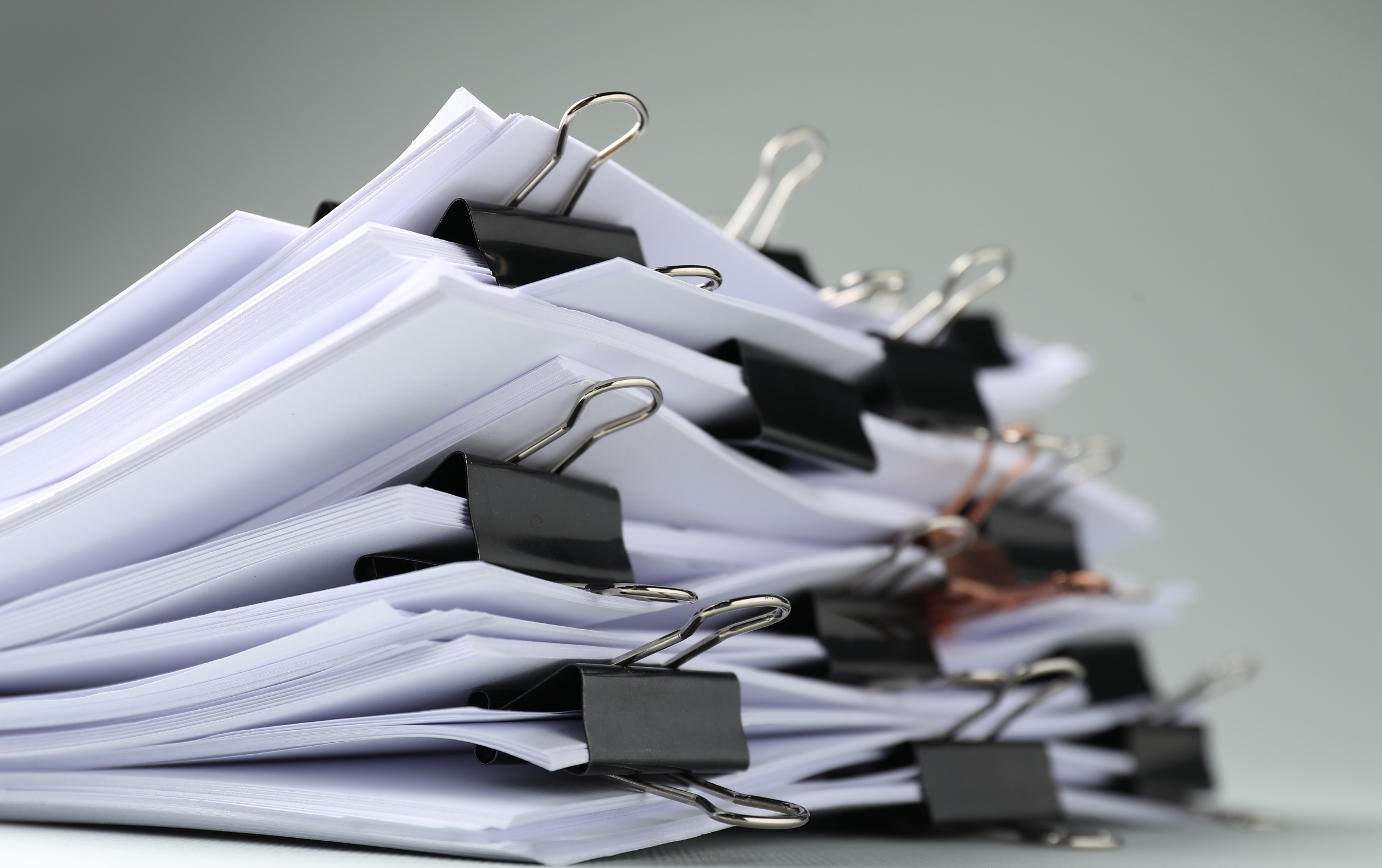
This applies to both physical records (such as contracts, board minutes, and financial statements) and electronic records (including emails, databases, and cloud-based documents).
Without written standards, organizations often rely on informal practices. Some records are kept indefinitely. Others are deleted too quickly. Over time, that inconsistency can create risk and confusion.
A written policy eliminates guesswork.
Why This Matters for Governance
A Document Retention Policy plays a central role in responsible nonprofit governance.
When properly implemented, it helps your organization:
-
Meet federal and state legal requirements
-
Protect sensitive and confidential information
-
Improve workflow and document accessibility
-
Strengthen organizational accountability
Clear retention timelines prevent both over-retention and premature destruction of important records. They also ensure that, when documents are requested by regulators, auditors, or stakeholders, your nonprofit can respond efficiently and confidently.
Effective record management reflects effective leadership.
Compliance is not accidental — it is structured.
A Document Retention Policy provides the framework that allows your nonprofit to manage information responsibly and consistently. When boards and staff understand what must be kept, for how long, and how it should be handled, the entire organization benefits.
What a Strong Policy Includes
A comprehensive Document Retention Policy should:
-
Identify the categories of records maintained by the nonprofit
-
Specify minimum retention timelines for each category
-
Describe labeling and storage procedures
-
Outline backup practices for electronic records
-
Explain how documents are securely destroyed when retention periods expire
The goal is to create a system that is practical and workable while still firm enough to ensure compliance.
When expectations are clear, day-to-day operations become smoother — and leadership can focus on advancing the mission.
The Bottom Line
If your nonprofit is reviewing its governance policies, a Document Retention Policy deserves attention.
It supports transparency.
It promotes accountability.
And it reinforces your organization’s commitment to responsible management.
Strong governance requires more than good intentions — it requires structure.
Need Help Creating or Updating Your Policy?
The Gordon Fischer Law Firm can help Iowa nonprofits with: drafting, revising, and editing the ten governance policies expressly referenced by the IRS on Form 990 — including Document Retention Policies — tailored to your mission and operations.
📧 Email: gordon@gordonfischerlawfirm.com